
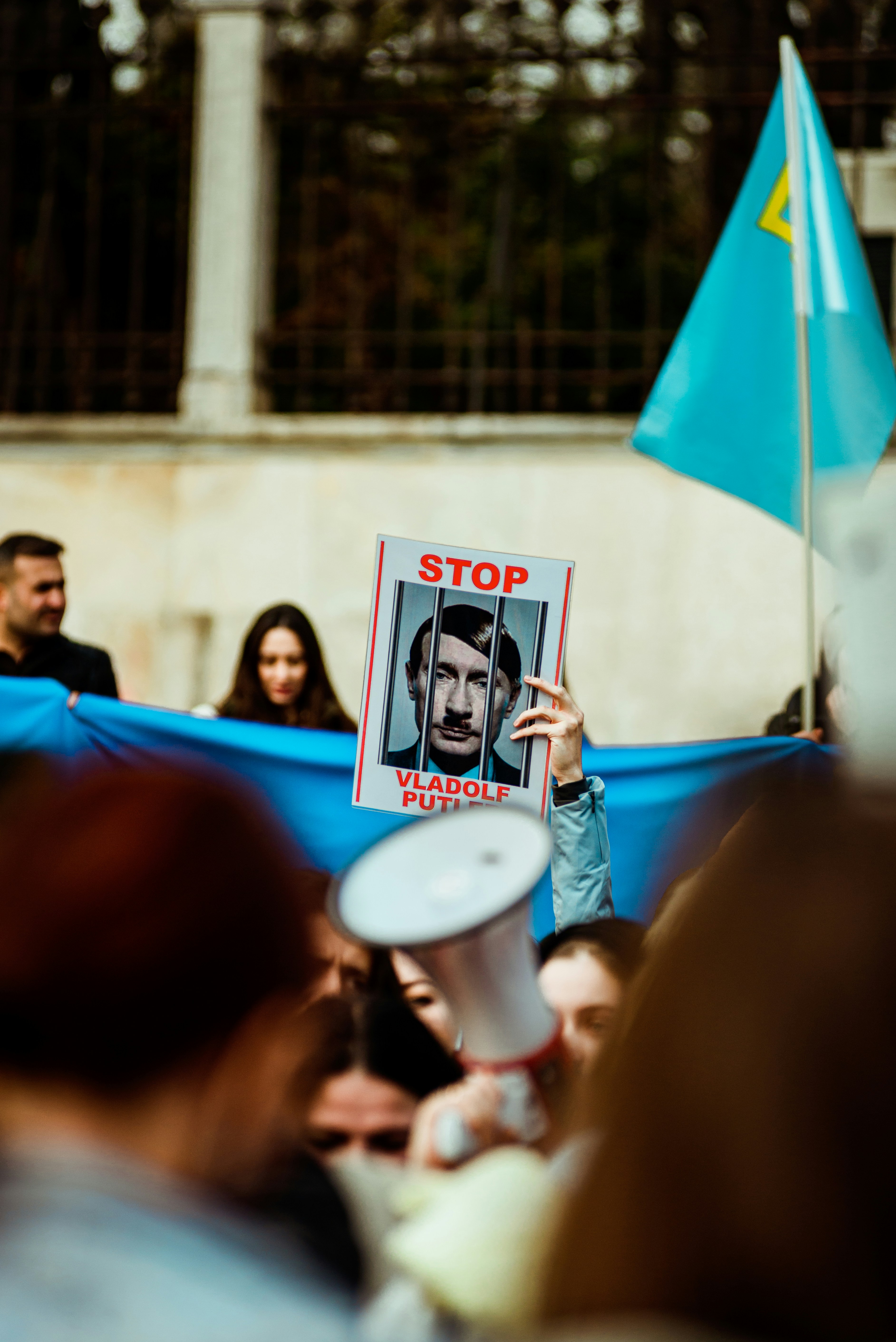
Introduction to Global Leadership in the 2020s
Global leadership encompasses the ability of individuals to navigate and influence international politics, economics, and social relations. In the 2020s, the significance of effective global leadership is more pronounced than ever, given the complex challenges facing nations. Issues such as climate change, pandemics, economic disparities, and geopolitical tensions necessitate strong, visionary leaders who can guide their countries and contribute to global solutions.
Several factors contribute to a leader’s admiration and impact on the global stage. Charismatic communication, strategic vision, and the ability to foster partnerships are essential qualities that resonate with both domestic and international audiences. Global leaders are often evaluated on their responses to crises, their commitment to their country’s values, and their ability to achieve results that enhance the welfare of their citizens while considering the broader implications for global stability. Leaders such as Xi Jinping, Narendra Modi, Vladimir Putin, and Donald Trump exemplify different approaches to leadership, each shaping their nation’s policy and global stance distinctively.
The dynamic nature of international politics plays a vital role in determining the influence of these leaders. For instance, the shifting alliances, emerging economies, and technological advancements can impact how leadership is perceived and executed. Events like the COVID-19 pandemic have underscored the importance of decisive and empathetic leadership, leading to increased scrutiny and admiration for those who can adapt and respond effectively under pressure.
As we dissect the characteristics that make a leader noteworthy, it is crucial to acknowledge that the context within which they operate is continuously evolving. As global citizens, our understanding of leadership must account for these dynamics while assessing the capabilities of current figures in the global arena. The evaluation of global leaders from multiple perspectives enriches the discourse and highlights the complexity of their roles in shaping our future.
Xi Jinping: The Rise of China on the Global Stage
Xi Jinping has been a pivotal figure in modern Chinese politics, assuming leadership in 2012. His tenure has marked a significant transformation in China’s role within global affairs, echoing a profound shift in the balance of international power. Under his guidance, China has pursued an assertive foreign policy, which can be characterized as both multifaceted and strategic, aiming to elevate the nation’s status on the global stage.
Economic development has been a cornerstone of Xi’s leadership. Initiatives such as the Belt and Road Initiative (BRI) have expanded China’s economic influence significantly. This ambitious endeavor seeks to enhance trade and investment connections between Asia, Europe, and beyond, thereby positioning China as a central hub of global commerce. Xi’s focus on infrastructure development reflects a broader intention to foster a network of relationships that bolster economic cooperation and increase China’s leverage in international negotiations.
Alongside economic initiatives, Xi Jinping has emphasized the importance of international relations that align with China’s interests. He has advocated for a multipolar world where power is distributed more evenly across nations. This philosophy has been met with both admiration for its vision of shared growth and criticism for its self-serving implications. Critics argue that, while China promotes cooperation, its actions often prioritize national interests, particularly in areas such as territorial disputes in the South China Sea.
Xi Jinping’s leadership style has also drawn significant attention. He combines a strong authoritative approach with elements of populism, positioning himself as a champion of the people while consolidating power within the Communist Party. His governance has led to a more robust nationalistic sentiment among the Chinese populace, which some observers view as a means to unify the nation under his vision. However, this has also resulted in increased scrutiny from global observers concerned about human rights and individual freedoms in China.
In conclusion, Xi Jinping’s influence on global politics is marked by a blend of progressive economic initiatives and a staunch defense of China’s national interests. His leadership style and policies not only define his tenure but also signal the country’s continuing ascent as a major global player, prompting ongoing debates about the implications of China’s rise for the international community.
Narendra Modi: Transformative Leadership in India
Narendra Modi’s tenure as the Prime Minister of India, beginning in 2014, has been marked by significant reforms and a proactive approach to foreign policy, which have collectively reshaped India’s global standing. His leadership style, characterized by strong rhetoric and assertive governance, has captured the attention of both domestic and international audiences alike.
One of the most notable aspects of Modi’s leadership is his ambitious economic reforms. Initiatives such as “Make in India” aim to transform India into a global manufacturing hub, attracting foreign investments and creating jobs domestically. Modi has consistently advocated for an increase in economic growth, emphasizing infrastructural development, technological advancement, and digitalization across various sectors. These reforms have not only aimed at boosting India’s economic performance but also at positioning the country as a competitive player on the world stage.
In addition to economic policies, Modi’s foreign policy has also garnered attention. His government has worked diligently to strengthen India’s ties with various nations, enhancing diplomatic relations through initiatives like the “Act East” policy and bolstering partnerships with countries such as the United States and Japan. Modi’s approach to foreign relations promotes a vision of India as a leader in regional stability and security, addressing challenges such as terrorism while also fostering trade agreements.
Domestically, Modi has received both admiration and criticism for his policies and governance style. Supporters laud him for his decisive action and ability to rally national sentiment, whereas critics raise concerns about the implications of certain policies on social cohesion and plurality. Despite mixed reactions, it is undeniable that his leadership has played a pivotal role in elevating India’s status in global affairs.
In conclusion, Modi’s transformative leadership has left a lasting mark on India’s domestic framework and its international relations. His strategic reforms and initiatives indicate a vision of a stronger, more assertive India on the global stage, even as debates surrounding his governance continue to evoke diverse opinions within India and beyond.
Vladimir Putin: The Enduring Influence of Russian Leadership
Vladimir Putin has been a prominent figure in Russian and global politics since he first ascended to the presidency in 2000. Over these two decades, he has displayed a remarkable ability to adapt and strengthen his leadership amidst a constantly changing geopolitical landscape. His focus on consolidating power and implementing strategic policies has allowed him to maintain significant influence over Russia and assert its presence on the world stage.
One of Putin’s most notable strategies is the centralization of authority within the Russian political system. By diminishing the power of regional governors and tightening control over media outlets, he has effectively crafted a political environment that limits dissent and enhances his image. The state-controlled narrative often showcases Putin as a strong and decisive leader, qualities that resonate with many Russians. This portrayal has played a crucial role in fostering a sense of national pride and unity.
Key events under Putin’s leadership have also bolstered his image domestically and internationally. The successful hosting of major events, such as the Sochi Winter Olympics in 2014, exemplifies his commitment to projecting Russia as a formidable global player. Additionally, his handling of the Syrian civil war has been viewed as a pivotal moment, showcasing Russia’s military capabilities and its role as an influencer in Middle Eastern affairs.
However, Putin’s tenure has not been without controversy. His annexation of Crimea in 2014 led to widespread condemnation from the international community, resulting in sanctions that have impacted the Russian economy. Moreover, the Kremlin’s alleged involvement in various cyber operations and the suppression of political opposition have led to mixed reactions globally. While some view Putin as a pragmatic leader defending national interests, others criticize him for undermining democratic principles.
In conclusion, Vladimir Putin’s enduring influence reflects a complex interplay of political acumen and controversial tactics. His ability to navigate challenges, both at home and abroad, has solidified his position as a central figure in understanding contemporary global leadership.
Donald Trump: Controversial Leadership and Global Perception
Donald Trump served as the 45th President of the United States from January 2017 to January 2021, and his presidency was marked by an unconventional approach to both domestic governance and international relations. His policies and rhetoric often diverged significantly from traditional political norms, which not only reshaped the Republican Party but also sparked intense debates regarding his leadership style.
One defining feature of Trump’s presidency was his use of social media, particularly Twitter, as a platform for direct communication with the public. This method allowed him to bypass traditional media filters, fostering a direct and sometimes divisive dialogue. His confrontational style, exemplified by frequent attacks on political opponents and even members of his own party, contributed to a highly polarized political environment in the United States.
Trump’s approach to foreign policy was equally unconventional. He emphasized an “America First” doctrine, which prioritized U.S. interests in international dealings. This was evident in decisions such as withdrawing from the Paris climate agreement and the Iran nuclear deal, actions that drew both support and criticism at home and abroad. His dealings with world leaders were often characterized by a transactional perspective, which contrasted with the more collaborative approaches of previous administrations. Notably, his relationship with leaders like North Korea’s Kim Jong-un and Russia’s Vladimir Putin raised eyebrows and sparked discussions about the implications for global stability.
Public opinion on Trump’s presidency remains complex and divided. Supporters argue that he fulfilled many campaign promises, particularly in terms of economic growth and deregulation, while critics contend that his actions undermined democratic institutions and international alliances. As researchers and political analysts look back on his time in office, Trump’s legacy will likely be viewed through a lens of controversy and division, making it challenging to arrive at a consensus regarding his impact on American politics and global perceptions.
Comparative Analysis: Leadership Styles of This Decade
Leadership styles significantly shape the political landscape and the global standing of nations. In the past decade, prominent leaders like Xi Jinping, Narendra Modi, Vladimir Putin, and Donald Trump have illustrated distinctive approaches to governance and international relations, reflecting various ideological frameworks and national priorities.
Xi Jinping, as the General Secretary of the Communist Party of China, has embraced a centralized power structure, focusing on a robust and assertive foreign policy. His Belt and Road Initiative exemplifies his commitment to expanding China’s influence across Asia and Africa through economic investment. Jinping’s leadership is characterized by a strong emphasis on state control over the economy and society, positioning China as a leading global power.
In contrast, Narendra Modi’s leadership in India showcases a blend of strong nationalistic rhetoric and economic reform. Modi has championed initiatives like “Make in India,” aiming to boost domestic industries while also forging strategic partnerships with Western economies. His governance style is marked by a focus on cultural identity and rapid economic development, steering India toward a more prominent role on the global stage.
Vladimir Putin’s leadership style often hinges on an image of strength and decisiveness, employing both military action and legislative control to maintain power. His approach prioritizes national sovereignty and a reassertion of Russia’s position as a global player. Through strategic interventions in regions like Ukraine and Syria, Putin has sought to project influence, though often at the expense of international relations.
Meanwhile, Donald Trump’s unconventional leadership style included a transactional approach to diplomacy, favoring direct communication and personal rapport over traditional diplomatic protocols. His “America First” policy and skepticism toward multilateral agreements marked a significant shift in U.S. foreign policy and drew mixed responses globally. Trump’s focus on economic nationalism often clashed with other leaders’ strategies, leading to complex international dynamics.
These four leaders epitomize varied responses to global challenges. Their distinct leadership styles illuminate the complexities of international relations and present unique implications for their respective nations’ reputations and role on the world stage. Understanding these differences is crucial for comprehending the current geopolitical landscape.
The Role of Media in Shaping Perceptions of Leaders
In today’s interconnected world, the media plays a crucial role in shaping public perception of global leaders. The narratives around prominent figures such as Xi Jinping, Narendra Modi, Vladimir Putin, and Donald Trump are heavily influenced by the coverage they receive across various media platforms. This influence can significantly alter public opinions and create distinct images of each leader in the minds of their constituents and the global audience.
Firstly, traditional media outlets, including newspapers and television, have long been pivotal in constructing the narratives of political leaders. The editorial choices made by these outlets can emphasize certain attributes while downplaying others, ultimately affecting how leaders are perceived. For instance, coverage focused on economic growth and stability may elevate a leader’s status, while reports highlighting human rights violations could diminish their standing. The framing of these narratives is not only critical for leaders like Xi and Modi but also impacts Western leaders, as partisan media in various contexts may portray them favorably or unfavorably, depending on political biases.
Digital media and social networking platforms have further complicated the landscape. They enable the rapid spread of information, allowing leaders to communicate directly with the public, bypassing traditional media filters. However, this comes with challenges. Misinformation and polarizing content can flourish on these platforms, sometimes leading to distorted perceptions. Social media campaigns can construct a favorable image for a leader, sometimes irrespective of their on-ground realities. The effectiveness of these campaigns can significantly influence a leader’s popularity or notoriety, creating a complex interplay between perception and reality.
Moreover, the role of international media cannot be ignored. Global coverage can furnish insights into how leaders are viewed outside their borders, offering a comparative perspective that influences domestic perceptions. As these leaders navigate their respective political climates, the narratives shaped by both domestic and international media become essential to their image and legacy.
In conclusion, the media serves as a powerful tool in shaping public perceptions of global leaders. By constructing narratives through various platforms, it influences how individuals and societies perceive figures such as Xi, Modi, Putin, and Trump, showcasing the profound impact of media in the political landscape of the decade.
Public Opinion: Surveys and Measures of Admiration
Public opinion plays a crucial role in understanding the admiration of global leaders, often measured through surveys and studies conducted across various demographics. These assessments aim to gauge the sentiments that different populations hold towards their leaders and other influential figures on the global stage. Various methodologies have been employed to collect this data, ranging from quantitative surveys to qualitative interviews and focus groups.
Surveys such as the Global Leader Approval Index and the World Values Survey seek to provide insight into the popularity and admiration of specific leaders. These instruments typically utilize a structured questionnaire format, allowing respondents to express their views on leadership effectiveness and personal admiration. A significant focus is placed on key issues such as socio-economic progress, foreign policy effectiveness, and domestic stability—all of which contribute to a leader’s standing in the public eye.
Recent statistics reveal shifting sentiments regarding the admiration of various global leaders. For instance, surveys conducted in recent years indicate that leaders who effectively respond to crises, such as the COVID-19 pandemic, tend to receive higher approval ratings. Additionally, studies show that transparency and integrity significantly influence public opinion; leaders who are perceived as honest are often admired more highly. Comparative analyses of these surveys can underscore changing dynamics in leadership, with some leaders rising to prominence while others experience a decline in admiration due to factors like corruption or ineffective governance.
Moreover, demographic factors such as age, education, and geographical location also play a critical role in shaping public opinion. Young voters, for example, may express admiration for leaders who champion progressive policies, while older demographics might favor traditional values. Understanding these nuanced perspectives is essential for assessing the overall landscape of global leadership admiration.
Conclusion: Who Emerges as the Most Admired Leader?
As we reflect on the global leaders who have shaped the last decade, a synthesizing analysis reveals a range of attributes that distinguish the most admired figures in contemporary leadership. Strong leadership has been characterized not only by political acumen but also by the ability to inspire and connect with diverse populations. Throughout this exploration, we have seen that the most effective leaders exhibit resilience, emotional intelligence, and an innovative approach to problem-solving. These traits have allowed them to navigate complex challenges on both domestic and international fronts.
When considering the question of who stands out amongst these leaders, it is evident that influence plays a pivotal role. Leaders such as Angela Merkel, Jacinda Ardern, and Barack Obama have not only made significant impacts during their tenures but have also cultivated legacies that resonate well beyond their time in office. Merkel’s steadfast approach to European unity during crises, Ardern’s empathetic handling of national tragedies, and Obama’s efforts to promote global cooperation exemplify the enduring qualities that define admired leadership.
Moreover, the legacy of these leaders is increasingly relevant in today’s context, where the challenges of climate change, global health crises, and socio-economic disparities demand vision and integrity. Each of these figures has set a standard for future leaders, establishing the importance of ethical governance and proactive engagement with the global community.
Projections for the future of global leadership suggest a need for adaptability and inclusivity, traits that will be crucial as the world continues to evolve. As younger generations rise during these tumultuous times, they will look to past leaders for guidance while simultaneously forging their paths. Ultimately, the measure of an admired leader is their capacity to inspire lasting change while cultivating hope for a better future. Thus, the leaders we recognize as most admirable today serve as beacons for what effective leadership could and should embody moving forward.