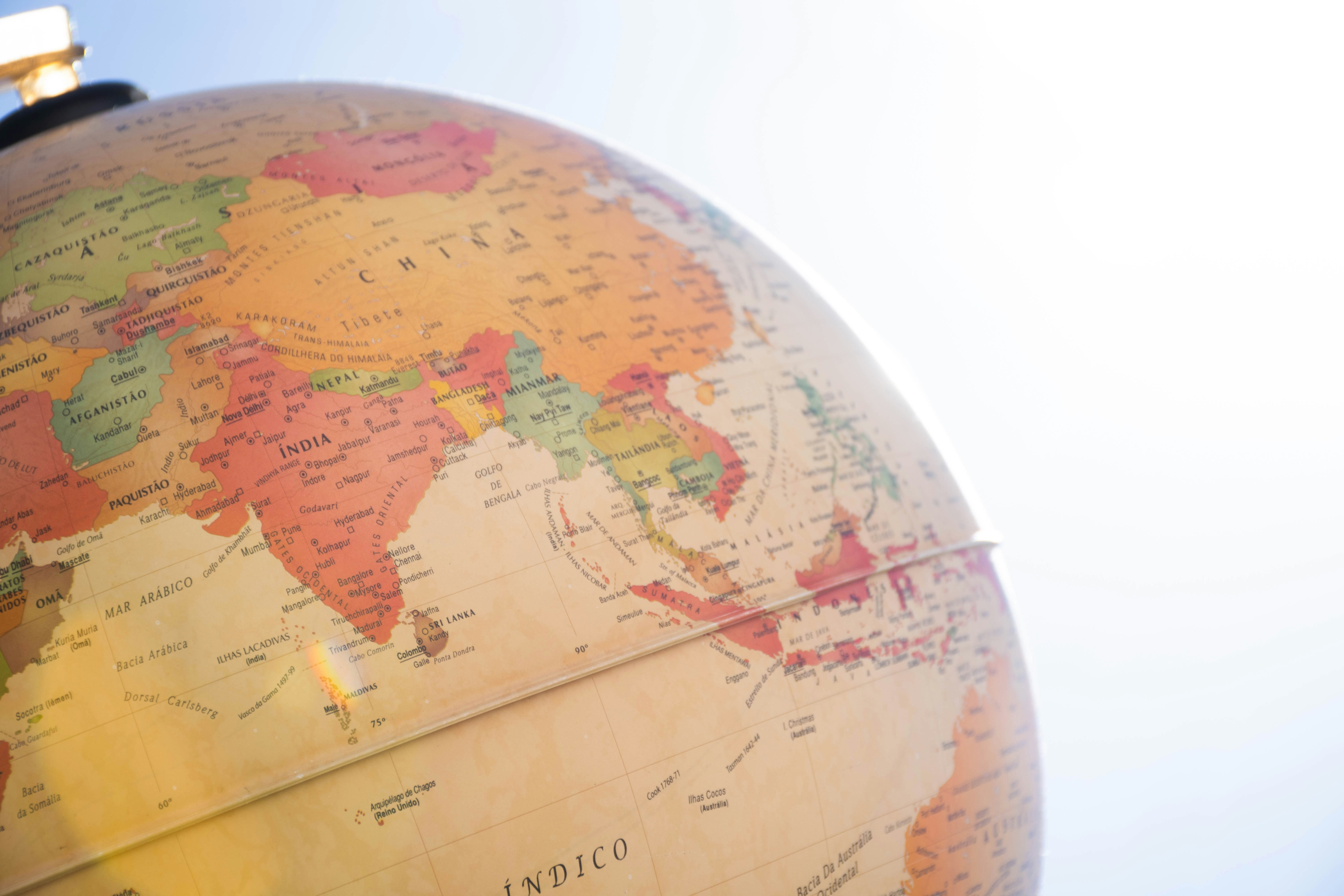

Overview of the BRICS Summit
The BRICS summit represents a significant gathering of emerging economies, providing a platform for dialogue and cooperation among its member countries, namely Brazil, Russia, India, China, and South Africa. The primary purpose of the BRICS summit is to foster collaboration in various sectors, including economic, political, and cultural engagements. Each summit aims to enhance mutual understanding and facilitate partnerships that can drive sustainable development across diverse fields.
This year’s summit was characterized by several critical themes on the agenda. Notable topics included discussions around the global economy’s recovery post-pandemic, reform of international financial institutions, and collective security. The summit also encapsulated broader concerns such as climate change, technological innovation, and the implications of shifting geopolitical dynamics, especially regarding the influence of Western nations.
The significance of the BRICS summit extends beyond the member nations. The summit serves as a crucial counterbalance to existing Western-dominated frameworks, asserting the importance of emerging economies in global governance. It offers member countries an opportunity to articulate their perspectives on pressing global challenges and advocate for a multipolar world order. Given the increasing economic clout of these nations, the dialogues initiated during the BRICS summit hold the potential to shape international relations profoundly.
Additionally, the summit provides a unique environment for bilateral meetings among leaders, creating pathways for deeper cooperation. With India’s relationship with China being a focal point within the BRICS framework, the discussions at the summit could influence future engagements between these two pivotal nations. As the world observes the evolving dynamics following the summit, it reiterates the relevance of the BRICS nations in shaping a cooperative global landscape.
Expectations from the BRICS Summit
The BRICS Summit has continuously been a platform for emerging economies to discuss and enhance their collaborative efforts. The anticipation surrounding this year’s summit is marked by predictions and expectations that reveal the intricate dynamics influencing the relationships among member nations, particularly India and China. Given their significant roles in the bloc, analysts are keenly observing how the summit can shape future economic cooperation and political alliances.
Economic cooperation remains a focal point for discussions at the BRICS Summit. Many experts believe that the summit will pave the way for enhanced trade agreements and investment opportunities among member nations. With China’s substantial economic influence and India’s growing market potential, collaborative initiatives are expected to bolster bilateral trade. Such economic interactions may also address challenges related to trade imbalances and foster a more balanced economic relationship.
Political alliances are another area of focus. The summit provides a pivotal opportunity for India and China to navigate their complex relationship amid regional tensions. Analysts suggest that through dialogue and joint initiatives, such as infrastructure development projects or digital economy partnerships, both countries might find common ground. The expectations are that the summit could serve as a platform to reaffirm their commitment to multilateralism and a rules-based international order, which may also extend beyond economic cooperation to address broader geopolitical concerns.
Furthermore, the summit is anticipated to enhance international relations not just among BRICS nations, but also with other global players. This includes potential partnerships with countries in Africa and Latin America, aiming to leverage the bloc’s collective influence. Overall, the dynamics at the BRICS Summit are expected to serve as a critical juncture for India-China relations, setting the stage for future cooperation in various sectors, reaffirming their strategic importance within the global landscape.
Key Issues Addressed at the Summit
The recent BRICS Summit provided a significant platform for addressing a range of pressing issues impacting not only member nations but also the global community. Among the most notable topics were trade agreements, climate change commitments, and the underlying geopolitical tensions that characterize international relations today. These discussions have far-reaching implications for future collaborations and conflicts within the region.
Trade agreements emerged as a cornerstone focus, highlighting the importance of fostering economic cooperation among BRICS nations. The discussions underscored a mutual desire to enhance trade ties and establish more favorable conditions for cross-border commerce. Such agreements are particularly crucial given the current context of global economic instability. By prioritizing intra-BRICS trade, member countries aim to reduce reliance on external markets and create a robust economic bloc.
Climate change was another critical topic, with member nations committing to ambitious environmental goals. The BRICS countries acknowledged their collective responsibility and the need for collaborative approaches to tackle the urgent challenges posed by climate change. This commitment reflects a growing awareness that environmental sustainability is not only an ethical obligation but also a driver of long-term economic viability.
Geopolitical tensions, particularly between major powers, were also addressed. The summit provided a space for dialogue on regional security issues and the implications of various international relations dynamics. Addressing these tensions is essential, as they can significantly affect economic cooperation and geopolitical stability. BRICS members recognized the need for a unified stance on these matters to ensure that their collective influence is harnessed effectively in the global arena.
Overall, the key issues discussed at the BRICS Summit reveal a proactive approach to fostering cooperation among emerging economies. By addressing trade, climate, and geopolitical concerns, BRICS aims to carve out a significant role in shaping the future of international relations.
The State of India-China Relations
The relationship between India and China is complex and multifaceted, deeply rooted in historical interactions that date back to ancient civilizations. Over the years, these two nations have experienced alternating phases of cooperation and conflict, shaped by various geopolitical factors and internal dynamics.
Trade has been a significant pillar in the India-China relationship. In recent years, both nations have recognized the potential benefits of economic collaboration, with trade between them witnessing substantial growth. However, this economic relationship is accompanied by challenges, particularly concerning trade imbalances. India has consistently voiced concerns regarding the large trade deficit it faces with China, which has raised apprehensions about the sustainability of their economic ties.
Additionally, border disputes remain a contentious issue impacting India-China relations. The Line of Actual Control (LAC) has long been a flashpoint, with sporadic skirmishes highlighting underlying tensions. The military standoff in Doklam and recent clashes in Ladakh underscore the need for robust diplomatic engagements to resolve these conflicts amicably. Both nations have engaged in various rounds of talks aimed at de-escalation; however, the effectiveness of these discussions remains under scrutiny.
Moreover, recent diplomatic engagements, particularly in the context of forums like BRICS, have provided a platform for constructive dialogue. The BRICS summit offers both nations an opportunity to align their priorities and foster mutual understanding on global issues. By participating collaboratively in such multilateral frameworks, India and China can work towards mitigating bilateral tensions while advancing their respective national interests.
As the geopolitical landscape evolves, the future of India-China relations will depend on their ability to navigate trade challenges, border disputes, and foster diplomatic engagements. The integration of both nations into larger multilateral spheres like BRICS could serve as a pivotal factor in shaping a more stable and cooperative relationship moving forward.
Impact of BRICS Summit on India-China Dynamics
The recent BRICS summit, which brought together leaders from Brazil, Russia, India, China, and South Africa, has generated significant discourse regarding the future of India-China relations. As two prominent members of this coalition, their interaction during the summit is pivotal, given the backdrop of both collaborative efforts and historical tensions between the two nations.
In examining the outcomes of the summit, one observes a nuanced landscape where both rivalry and partnership potential was highlighted. The dialogue surrounding economic cooperation, particularly in sectors such as trade, technology, and infrastructure, paints a picture of a possible thaw in the traditionally contentious relationship. Numerous discussions underscored a mutual recognition of the benefits associated with enhanced bilateral trade and investment opportunities.
However, while the summit facilitated opportunities for collaboration on regional stability and multilateral engagements, the specter of rivalry remains. Issues unresolved from past confrontations, such as border disputes and differing strategic interests, were likely acknowledged in discussions, though not explicitly addressed in public forums. Thus, the complexities of India-China dynamics cannot be overlooked, as historical grievances still underpin their interactions.
Moreover, the summit outcomes signal a potential shift in the geopolitical landscape, with both countries possibly re-evaluating their positions not only toward each other but also in relation to other global powers. This recalibration could lead to strategic partnerships that enhance diplomatic ties within the BRICS framework. For instance, a united front on economic matters may encourage further engagement and dialogue between India and China, steering them towards collaborative efforts.
The BRICS summit, thus, serves as a crucial juncture in the trajectory of India-China relations. It emphasizes the dual-edged nature of their dynamics, balancing the prospects of partnership against the backdrop of rivalry. Future interactions in multilateral settings could potentially shape a more stable relationship, though the inherent complexities will demand careful navigation by both parties.
Global Response to India-China Relations
The evolving dynamics between India and China have drawn significant attention from other global powers, reflecting on how these two nations interact on various fronts. In the context of the BRICS summit, which brings together Brazil, Russia, India, China, and South Africa, insights from countries such as the United States, Russia, and members of the European Union are critical. Each of these players views the India-China relationship through their own strategic lenses, which adds layers of complexity to the situation.
The United States has long been cautious about the rise of China as a global superpower, often citing concerns over trade practices, military expansion, and human rights issues. As India enhances its position in international forums like BRICS, the US seems to be fostering closer ties with India, seeking to balance China’s influence in the Asia-Pacific. This approach includes various avenues such as defense cooperation and economic partnerships that underscore the significance of India’s role in countering China’s assertiveness.
Russia, on the other hand, has historically maintained a strategic partnership with China, viewing the two countries as key allies in multipolar global governance. However, Russia also values its relationship with India, evident in its military and energy collaborations. This dual approach illustrates the delicate balancing act Russia performs, often promoting dialogue and cooperation while remaining wary of potential conflicts arising from India-China tensions.
Similarly, the European Union is keenly interested in the developments of India-China relations, considering its economic interests and trade relationships with both nations. The EU advocates for a rules-based international order, which may be threatened by growing hostilities. The political nuances in the interplay between India and China are crucial for the EU’s global strategy, particularly as it navigates trade interests and regional stability.
In conclusion, the global response to India-China relations, shaped by the perspectives of significant international players such as the US, Russia, and the EU, emphasizes the importance of strategic alignment in today’s geopolitical landscape. As these dynamics continue to evolve, the impacts on the BRICS framework and beyond will warrant close observation.
Future Prospects of BRICS and India-China Relations
The BRICS coalition, comprising Brazil, Russia, India, China, and South Africa, has evolved significantly since its formation, adapting to global economic changes and geopolitical challenges. Moving forward, the future trajectory of BRICS is likely to be influenced by various factors, including economic forecasts, political developments, and regional dynamics. The prospect of BRICS gaining further relevance in shaping the global order cannot be overlooked, particularly as countries seek alternatives to Western dominance in international relations.
As the coalition navigates through the complexities of the global landscape, India and China’s bilateral relations will be a critical area to monitor. Both nations share a history of cooperation and competition, which can impact their stance within the BRICS framework. The economic ambitions of both countries may align as they seek growth through collaborative projects under the BRICS umbrella, fostering trade ties that could benefit the entire coalition.
However, underlying tensions persist, notably in areas such as border disputes and differing political ideologies. These factors could strain India-China relations, potentially influencing how they engage with BRICS initiatives. The summit’s discussions may provide clues regarding their strategic partnerships, especially in light of the shifting geopolitical landscape, driven by the rise of other economic powers and changing alliances.
Additionally, the response of BRICS to global challenges such as climate change, public health crises, and economic disparities will further influence its cohesion. The coalition’s ability to present a united front on these issues may enhance its legitimacy and effectiveness in world affairs. Ultimately, the evolving dynamics within BRICS will require careful observation, as they are likely to significantly shape the future of India-China relations and broader global interactions.
Challenges Ahead for BRICS and India-China Cooperation
The BRICS nations, comprising Brazil, Russia, India, China, and South Africa, have emerged as significant players in global affairs. However, the path towards enhanced cooperation within this bloc, particularly between India and China, is fraught with challenges. One of the primary obstacles is the political disagreements that exist between member states. Each country has its foreign policy priorities and strategic interests, which can lead to diverging views on various international issues.
Furthermore, territorial disputes, particularly between India and China, remain a source of tension. The Sino-Indian border dispute has been a contentious issue for decades, leading to military standoffs and, at times, armed conflict. This unresolved territorial issue complicates diplomatic relations and increases skepticism regarding mutual trust within the BRICS framework. Both nations must navigate these territorial challenges while finding common ground to foster collaboration.
Economic competition is another critical factor influencing India-China relations within BRICS. While both countries are pursuing their development agendas, there is a palpable sense of rivalry, especially in terms of trade and investment. Each country aims to establish its preeminence in sectors like technology, manufacturing, and digital economies, leading to a competitive rather than cooperative atmosphere. This struggle for economic dominance could hinder collective growth within the BRICS group.
Additionally, external geopolitical pressures can exert influence on the dynamics of cooperation. The shifting power balances globally, such as the growing influence of Western nations or regional alliances, can affect how BRICS countries interact with one another. Thus, the success of BRICS in overcoming these challenges is essential for creating a stable and cooperative environment, particularly between India and China. It is critical for these nations to engage in diplomacy that prioritizes dialogue and seeks resolutions to conflicts while promoting shared interests.
Conclusion and Takeaways
In concluding the discussion on the insights gathered from the BRICS Summit, it is essential to highlight the significant implications for global relations, particularly concerning India-China interactions. The summit served as a platform not only for economic cooperation among member countries but also for addressing geopolitical tensions. The outcomes underscored the necessity for collaborative efforts in creating a more balanced international order.
The discussions during the summit reflected a commitment among BRICS nations to enhance trade ties, bolster economic growth, and encourage sustainable development. For India and China, two of the most influential members of this coalition, the potential for collaboration presents numerous opportunities. Acknowledging their shared interests in economic stability and growth could pave the way for a more amicable relationship, easing some of the historical tensions that have characterized their interactions.
Moreover, the BRICS framework encourages dialogue not only in economic terms but also in cultural and social realms, fostering mutual understanding. As both nations navigate their domestic priorities and external pressures, leveraging the BRICS platform could offer pathways for overcoming existing barriers and contentious issues. This strategic collaboration can be instrumental in enhancing regional stability in Asia and can contribute positively to the global economic landscape.
Ultimately, the BRICS Summit highlighted the critical role of multilateralism in addressing contemporary global challenges. The future of India-China relations will significantly depend on their ability to engage constructively within this framework. As both nations move forward, it is imperative that they utilize the insights gained from the summit to forge a collaborative path. In essence, the outcomes of the BRICS Summit have set the stage for a promising, cooperative future that could reshape the dynamics of not only India-China relations but also the broader international community.