
The Urgency of Climate Action
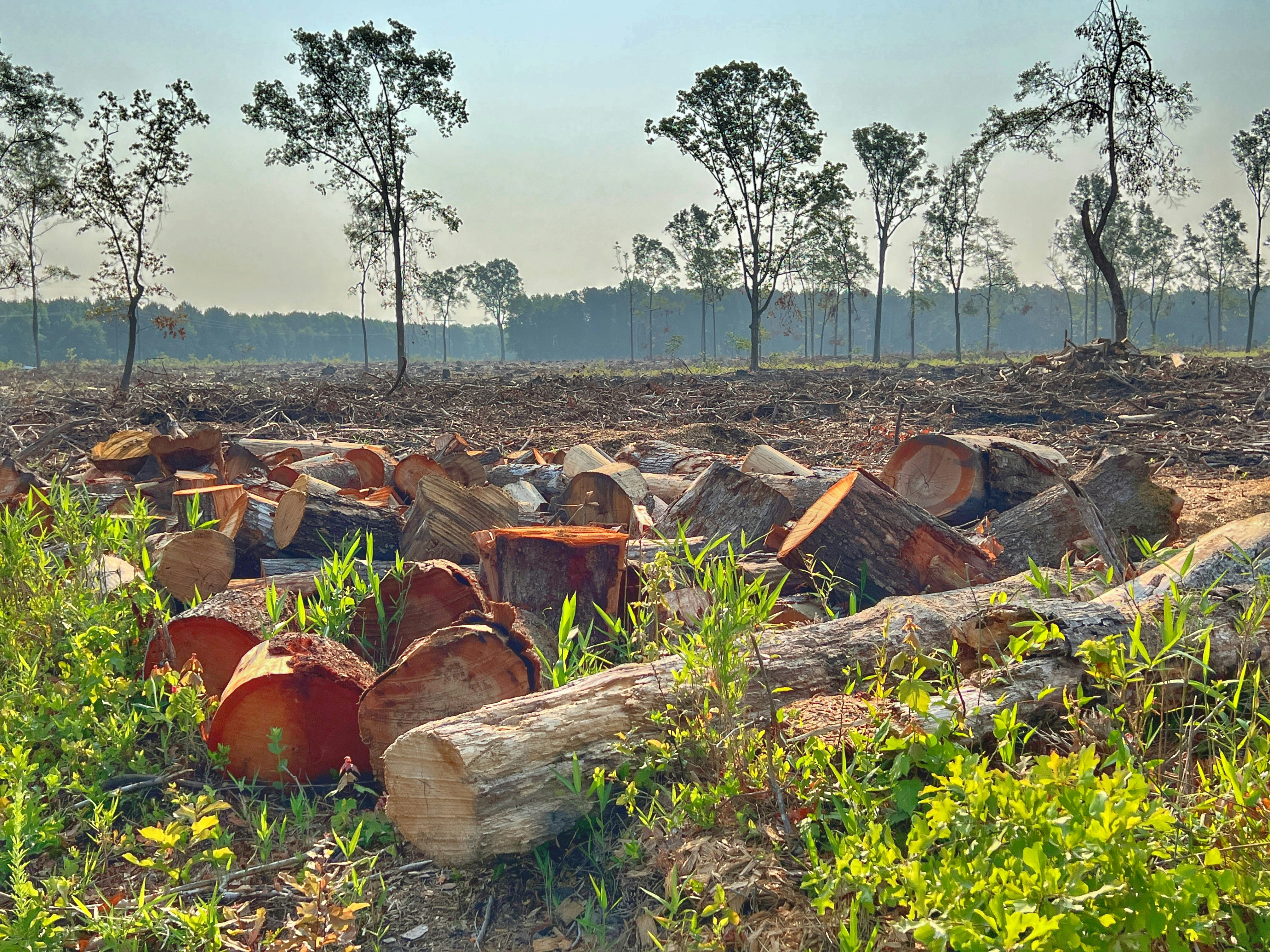
The current status of global climate change is alarming and requires immediate attention. Over the past century, the earth’s climate has experienced significant shifts, with overall temperatures steadily rising. According to multiple scientific studies, the rise in global temperatures is a direct result of greenhouse gas emissions, predominantly from human activities such as fossil fuel combustion and deforestation. As the planet’s temperatures climb, we are witnessing an increase in the frequency and intensity of extreme weather events, ranging from hurricanes and droughts to wildfires and floods.
These extreme events are not just statistical anomalies; they pose severe risks to human life, ecosystems, and economies. For instance, hotter and prolonged summers can lead to severe drought conditions, affecting agricultural outputs and drinking water supplies. On the other hand, unpredictable rainfall can cause destructive flooding, displacing communities and damaging infrastructure. The effects of these environmental changes are already observable, with various regions facing harsher climates seemingly without warning.
Moreover, environmental degradation is escalating, impacting biodiversity and natural habitats. Many species are struggling to adapt to their rapidly changing environment, leading to increasing extinction rates. The urgent need for action becomes even more pressing as we recognize that the window for mitigating these adverse effects is narrowing. To combat the deteriorating state of the earth’s climate, concerted efforts at both governmental and individual levels are crucial. Policies aimed at reducing carbon emissions, promoting renewable energy sources, and enhancing overall sustainability practices will be pivotal in reversing or stalling the damage already inflicted on our planet.
In light of these pressing issues, it is essential that humanity mobilizes resources and takes decisive actions. Ignoring the mounting evidence and allowing the trends to continue unchecked could yield irreversible consequences for generations to come. Therefore, addressing the current state of the earth’s climate must be a global priority; immediate and significant strides are necessary to safeguard our future and that of the planet.
Elon Musk’s Perspective on Climate Change
Elon Musk, the CEO of companies such as Tesla and SpaceX, has consistently expressed deep concerns regarding the current state of the earth’s climate. He believes that human activity, particularly the burning of fossil fuels, has resulted in detrimental effects that threaten the planet’s sustainability and the future of humanity. Musk posits that the next 50 years are crucial in determining whether we can mitigate these effects or face catastrophic consequences.
One of Musk’s main arguments is that technological innovation is essential to combat climate change. Through Tesla, he promotes the use of electric vehicles as an alternative to conventional gasoline-powered cars, which significantly contribute to greenhouse gas emissions. By making electric cars more accessible and attractive, he aims to accelerate the transition towards sustainable transportation and reduce the overall carbon footprint associated with personal and commercial transportation.
Moreover, Musk advocates for the development of renewable energy sources, particularly solar and wind power. His vision includes harnessing clean energy to replace fossil fuels in various sectors. Tesla’s solar products, which include solar panels and energy storage solutions such as the Powerwall, are designed to empower individual households and businesses to generate and store their own energy, thus decreasing reliance on traditional energy grids that often rely on non-renewable resources.
Additionally, Musk believes that innovations propelled by companies like SpaceX can also play a role in addressing earth’s climate issues. His pursuit of space exploration is partly motivated by the idea of creating a redundant civilization on Mars, which could serve as a backup for humanity in the event of severe climate catastrophes on Earth. While this may seem an extreme perspective, it underscores his belief in the necessity of adaptive resilience in the face of environmental challenges.
As Musk continues to push for advancements in technology, his focus remains unyielded on the vital need for humanity to address the environmental challenges posed by earth’s climate promptly. By integrating innovative technologies into everyday life, he strives to offer realistic solutions for a sustainable future.
The Role of Renewable Energy and Innovation
Addressing the challenges posed by climate change is critical for the future of the planet and humanity. A major solution lies in the transition to renewable energy sources, which have the potential to significantly reduce greenhouse gas emissions and mitigate the impacts on the earth’s climate. Various renewable energy technologies, including solar, wind, and hydroelectric systems, can provide cleaner alternatives to fossil fuels, which are the primary contributors to carbon emissions.
One of the key aspects of this transition is the technological advancements that have emerged in recent years. Innovations in energy storage, such as advanced battery technologies, have made it increasingly feasible to store renewable energy for use at times of high demand or low production, thus enhancing the reliability of such energy sources. These storage systems, along with smart grid technologies, allow for better management of energy consumption and distribution, further promoting sustainability.
Furthermore, the development of energy-efficient appliances and industrial processes plays an integral role in lowering overall carbon footprints. Automation and artificial intelligence are also being harnessed to optimize energy use in various sectors, ensuring that energy is consumed more efficiently. As these technologies evolve, they present significant opportunities to shift away from traditional energy practices that exacerbate global warming and instigate harmful effects on earth’s climate.
Governments and organizations worldwide are recognizing the importance of investing in renewable energy and related innovations. Policy frameworks that encourage the adoption of green technologies, alongside financial incentives for both individuals and businesses, are critical in fostering an environment where renewable solutions can thrive. This collective effort will not only aid in combating climate change but also create a sustainable economy, paving the way for a resilient future.
The Future of Humanity and Climate Resilience
Over the next 50 years, the trajectory we choose regarding earth’s climate will profoundly influence humanity’s future. As we currently stand, the repercussions of climate change are becoming increasingly evident, from extreme weather events to rising sea levels. If society fails to address these pivotal climate issues, we may witness a future characterized by significant economic and social upheaval. Increased climate volatility could result in large-scale displacements of populations, exacerbating inequality and straining resources.
On the other hand, a concerted effort towards climate resilience and sustainable practices could lead to a more stable future. Implementing renewable energy solutions, promoting sustainable agriculture, and enhancing public policies to mitigate climate change can generate global job opportunities while protecting the environment. Communities that invest in innovative technologies to combat climate change may find themselves economically fortified and socially cohesive, paving the way for a healthier planet.
The implications of not addressing the challenges posed by earth’s climate can extend beyond environmental degradation. Interactions among nations could shift dramatically as resource scarcity becomes a more pressing issue, potentially leading to conflicts. Conversely, successful adaptation strategies could foster international collaboration aimed at shared goals of sustainability and climate action.
Looking ahead, the choices we make regarding earth’s climate within this critical period are not just about preventing catastrophe; they are about envisioning and shaping an equitable society. Humanity’s survival, resilience, and prosperity are inextricably tied to how we handle our planet’s challenges. If we mobilize effectively and prioritize sustainable growth, the potential to yield a viable future exists. However, neglect in relation to climate action could yield dire consequences, underscoring the urgency and importance of transformative change.