
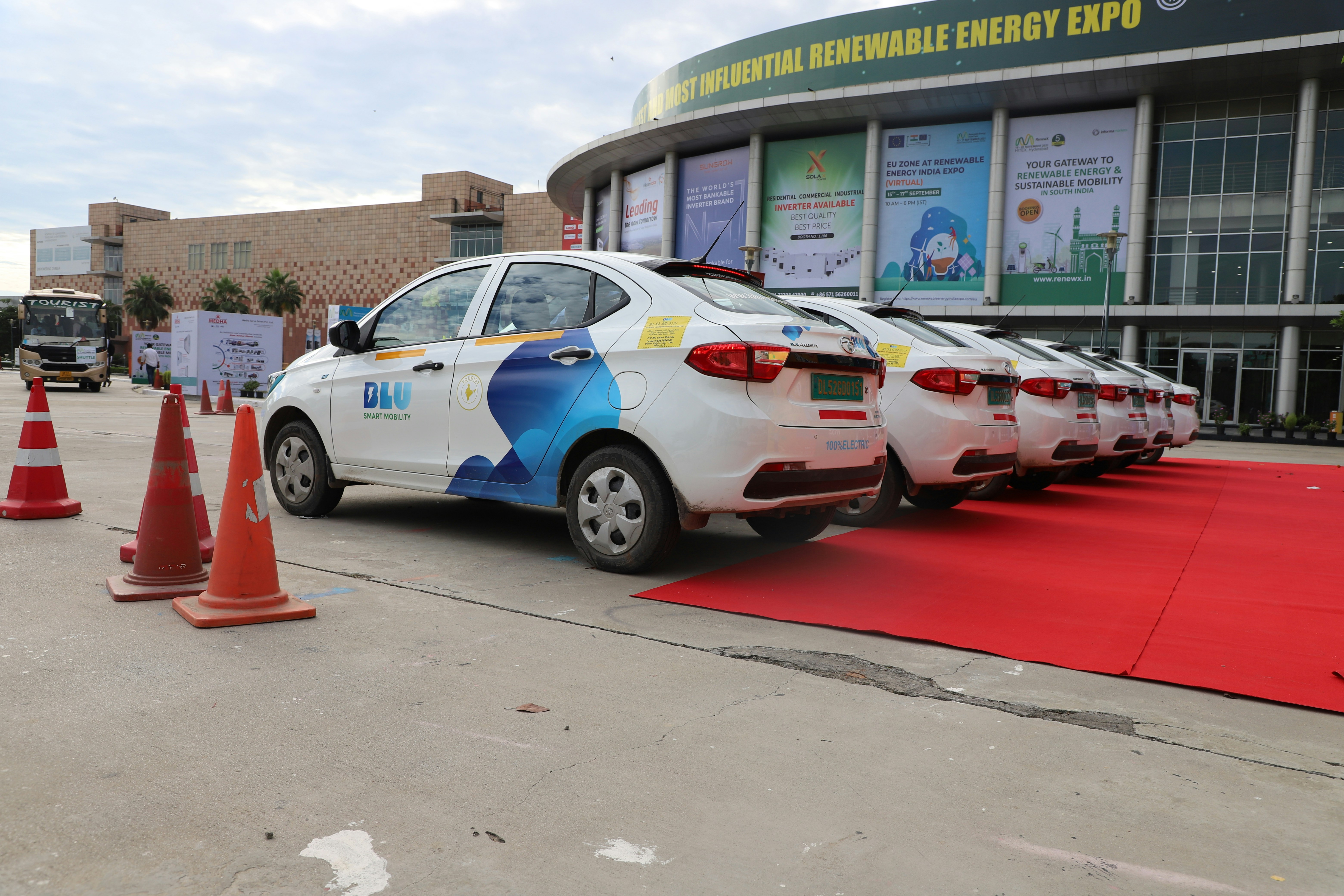
Scheduled in Delhi from November 2 to 5, the renewable energy expo is positioned as a four-day meeting point for organizations working across India’s evolving power sector. The dates offer a focal period for businesses, technology providers, policymakers, investors, researchers, utilities, and other stakeholders to exchange perspectives and explore potential partnerships. Rather than serving only as a product showcase, an event of this kind can connect commercial priorities with policy goals and technical research. For companies assessing market opportunities, it can provide a setting to compare solutions, meet prospective collaborators, and consider how clean energy projects may be developed, financed, and integrated at scale.
Discussions and demonstrations may span solar and wind generation, energy storage, grid modernization, green hydrogen, and energy efficiency. These themes are closely connected: renewable power needs dependable storage and flexible networks, while efficiency can reduce demand and improve system performance. Exhibitors may use equipment displays, project examples, or technical presentations to explain how their offerings work in practice. For visitors, such formats can support informed comparisons and reveal where technologies complement one another. Conversations across disciplines also help identify challenges around costs, reliability, skills, infrastructure, and deployment, rather than treating each solution in isolation.
Participation can also create value beyond the exhibition floor. Businesses may seek suppliers or customers, investors can assess emerging opportunities, researchers can share findings, and public officials can hear industry perspectives. Joint sessions, networking, and demonstrations—if included in the confirmed program—may encourage dialogue on scaling clean energy in India. However, specific speakers, formats, and subjects should not be assumed in advance. Attendees should consult official event information for the venue, organizer, registration details, schedule, and any updates to the November 2–5 dates. This check is important because logistics and programming can change, and confirmed details help visitors plan travel and meetings.
A Delhi renewable energy expo can draw participants from across India’s clean-energy ecosystem, although no exhibitor list should be treated as confirmed unless organizers publish one. Likely represented sectors include renewable-energy developers working on solar, wind, hybrid and green-hydrogen projects; equipment manufacturers supplying panels, inverters, turbines, trackers and power-conversion systems; and utilities responsible for generation, transmission and distribution. These organizations approach the event from different positions. Each can help illustrate how projects move from technology selection and financing to construction, grid connection and long-term operation. Their presence would offer attendees a view of the landscape, rather than a single technology showcase.
Battery and storage firms may display cells, battery-management systems, inverters, thermal controls and software for balancing supply and demand. Grid and digital providers could demonstrate forecasting tools, monitoring platforms, cybersecurity solutions and systems that coordinate distributed energy resources. Engineering, procurement and construction companies may explain project delivery, while consultants and research organizations can contribute expertise on standards, performance and regulation. Emerging clean-technology businesses may introduce new approaches to efficiency, recycling, charging or industrial decarbonization. Participation need not be limited to an exhibition booth: organizations may present case studies, offer product demonstrations, join technical sessions or share lessons from operating projects.
The event can help attendees identify potential suppliers or collaborators. Developers and utilities may seek equipment vendors, service providers and financing partners; manufacturers and software firms may discuss distribution channels, integration requirements and customer needs. Investors and buyers could explore project pipelines, procurement plans and supply-chain resilience. However, sector representation should not be confused with confirmed attendance. Unless organizers issue an official exhibitor directory or announce participants, company names should not be presented as taking part. Describing likely categories, rather than asserting unverified names, keeps coverage accurate while explaining why the renewable energy expo may matter to clean energy stakeholders.
A renewable energy expo can create practical value by bringing developers, equipment manufacturers, utilities, policymakers, financiers, and service providers into one setting. For India’s clean-energy industry, this shared space can make it easier to identify complementary capabilities, start business conversations, and build relationships that might otherwise take longer to establish. Informal discussions alongside scheduled meetings can help participants understand market needs, compare priorities, and identify potential partners for projects or technology deployment.
Exhibitors may use the event to reach prospective buyers, project developers, investors, and procurement teams. These conversations can help companies test whether a product or service addresses a real operational need, learn what buyers expect, and refine how they present their offering. New technologies can also gain visibility through displays and demonstrations, giving attendees a closer look at equipment, software, or system designs. For early-stage firms, such exposure may support future discussions, although it should not be mistaken for a guaranteed sale or financing commitment.
Technical sessions and demonstrations can make the exchange more concrete. Participants may compare approaches to installation, grid integration, storage, maintenance, safety, and performance monitoring. Hearing how other teams have handled project-development and operating challenges can help businesses assess solutions against local conditions, identify possible efficiency improvements, and anticipate implementation risks. Practical feedback from engineers, operators, and suppliers may also reveal where a design needs adaptation before it is deployed at scale.
These exchanges could contribute to stronger domestic manufacturing and supply chains by connecting component makers with project companies, distributors, and technical specialists. Better visibility into demand, quality requirements, and delivery constraints can help businesses identify gaps and explore ways to source or produce key inputs locally. Yet an expo can only support these outcomes; it cannot guarantee contracts, investment, project approvals, or successful execution. Results depend on follow-up, commercial viability, regulatory processes, financing, and the ability of partners to deliver. Its most useful legacy may be clearer market information and relationships that participants can develop after the event.
India’s transition to clean energy is closely tied to its goals for expanding electricity access, reducing emissions, and strengthening energy security. Rapid growth in solar and wind power has created opportunities to diversify the energy mix, while also increasing the need for reliable networks, flexible generation, and technologies that can balance changing supply and demand. A renewable energy expo can help place these priorities in practical context by bringing together companies, public agencies, technical specialists, and investors. Their discussions can connect national ambitions with the commercial, regulatory, and engineering decisions that determine how projects are planned and delivered.
Progress depends on collaboration across the sector. Grid operators and developers can share experience on connecting new capacity, forecasting output, and managing transmission constraints. Storage providers and researchers can present approaches for improving flexibility, while financiers and policymakers can examine how investment structures, incentives, and clear rules affect project viability and affordability. Participants can also consider the land, permitting, equipment, and supporting infrastructure required for responsible development. These challenges are interdependent: a promising technology may not deliver its full value without suitable grid access, dependable supply chains, skilled workers, and disciplined project execution. Open dialogue can help identify gaps early and encourage solutions suited to local conditions.
For visitors, the event offers a way to understand market trends and compare emerging technologies across renewable generation, storage, efficiency, and related services. Developers may find potential suppliers or partners; investors can assess opportunities and risks; and public-sector representatives can hear industry perspectives on implementation. Researchers and technology firms can explore where testing, data sharing, or joint development could accelerate adoption. The most useful outcomes are not limited to product demonstrations or introductions. Participants can leave with clearer knowledge of the steps, partnerships, and enabling conditions needed to turn clean-energy commitments into practical progress. By linking expertise with investment and policy, the expo can contribute to a more capable, resilient, and inclusive power system.