
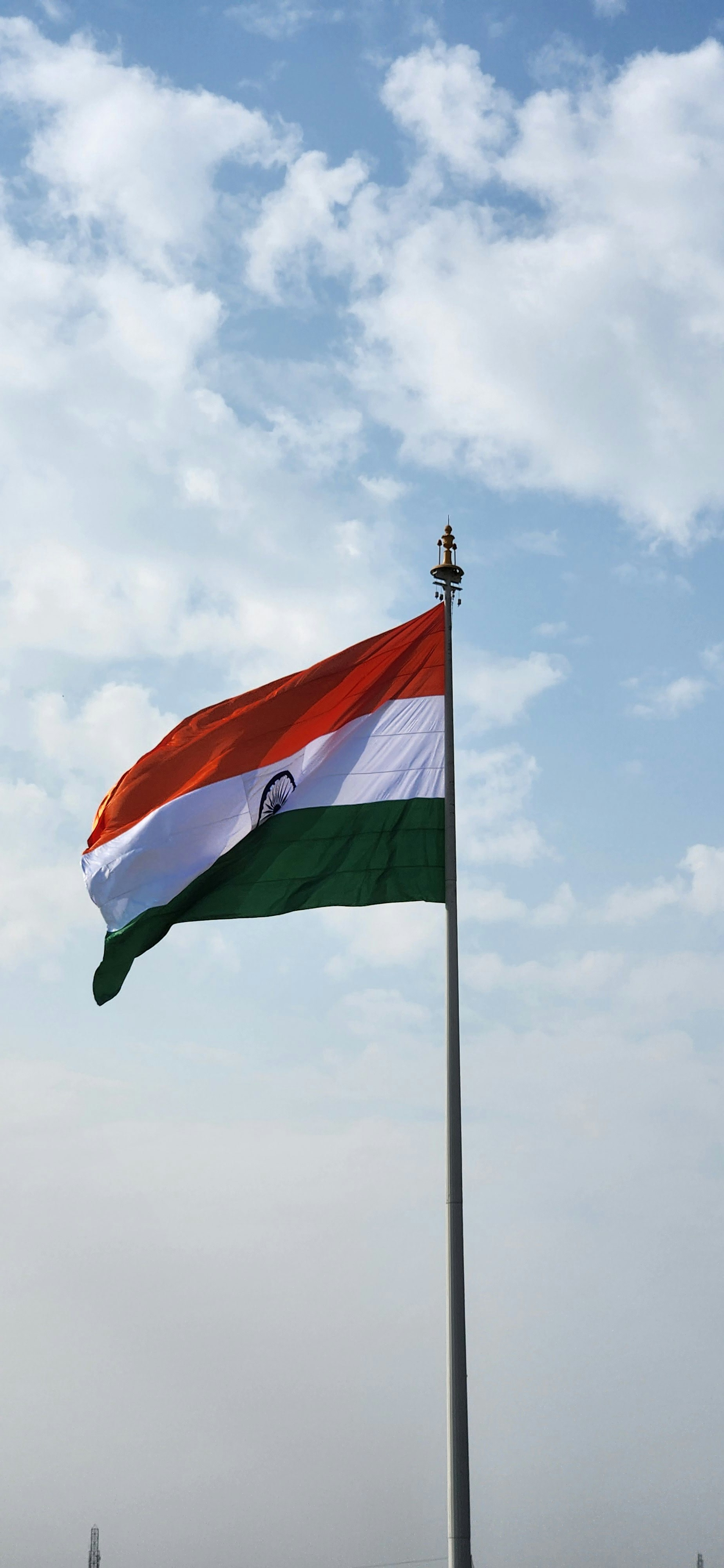
Historical Context of India’s Independence
The quest for India’s independence has deep roots in the socio-political fabric of the country, significantly influenced by centuries of colonial rule. Beginning in the 18th century, British colonization imposed a foreign governance structure that disrupted traditional societal norms and economic systems. This era saw the exploitation of India’s vast resources and the systematic subjugation of its populace, which bred widespread discontent among various sections of society.
Prior to independence, India was characterized by a plethora of princely states, each with its own governance and administrative systems. The British employed a divide-and-rule policy, strategically pitting communities against one another, which further complicated the struggle for unified resistance against colonial oppression. Amidst this backdrop, the early 20th century emerged as a critical period of awakening for the Indian populace, with the Indian National Congress (INC) forming a significant platform for political discourse and activism.
Prominent figures such as Mahatma Gandhi, Jawaharlal Nehru, and Sardar Vallabhbhai Patel galvanized the movement for independence, advocating for nonviolent resistance and civil disobedience against colonial laws. The influence of global movements for freedom and democracy, especially after World War II, bolstered the resolve of Indian leaders and common citizens alike. Events such as the Salt March in 1930 highlighted the urgency for autonomy while simultaneously uniting diverse groups in a collective struggle.
As the movement gained momentum, the British government found it increasingly difficult to maintain control over the burgeoning demand for independence. This culminated in World War II, which drained British resources and weakened their grip on India. By the time 1947 arrived, the pressures of political negotiations, mounting civil unrest, and changing international dynamics forced Britain to concede to India’s demands, finally granting independence on August 15, 1947. This momentous occasion marked the end of an era of colonial domination, yet laid the foundation for the complex journey that would follow in addressing the challenges of crime and poverty in independent India.
The Concept of Freedom: Beyond Political Independence
Freedom is often perceived primarily as political independence—the ability of a nation to self-govern and make autonomous decisions. However, this narrow definition overlooks the multifaceted nature of freedom that is essential for the realization of a just society. Philosophical perspectives on freedom expand our understanding to encompass social justice, economic equality, and the protection of individual rights, all of which are critical for assessing a country’s true independence.
From the works of notable philosophers like John Stuart Mill to contemporary theorists, freedom is understood not just as freedom from oppression but also as freedom to pursue one’s potential. This broader approach suggests that true freedom must include access to basic needs such as education, healthcare, and economic opportunities. A society that fails to provide these fundamental aspects cannot claim to offer genuine freedom to its citizens.
In examining India’s current socio-economic landscape, it becomes apparent that despite achieving political independence, significant barriers to true freedom persist. Issues such as systemic poverty and crime continue to plague many communities, curtailing the agency of individuals and hindering their capacity to participate fully in society. Therefore, it is imperative to expand our discourse around freedom to include these aspects, as addressing them is fundamental to achieving not only independence but also social harmony and progress.
This redefinition of freedom urges us to look beyond political structures and consider the roles of economic systems, social policies, and cultural attitudes that contribute to or detract from the individual’s right to live freely. For India, recognizing that true independence involves alleviating crime and poverty is a crucial step toward embracing a more comprehensive understanding of freedom.
Current Crime Rates in India: An Overview
India’s current crime landscape presents a complex challenge characterized by a variety of offenses, including violent crime, property crime, and the increasingly prevalent issue of cybercrime. Analyzing the statistical data for these crimes reveals significant trends that underscore the severity and scope of criminal activity within the nation.
Violent crime in India, which encompasses offenses such as murder, assault, and robbery, has been a persistent concern. According to the National Crime Records Bureau (NCRB), the rates of certain violent crimes have seen fluctuations over the years. For instance, while murders have shown a declining trend in some states, others continue to report alarming figures, indicating regional disparities in crime incidences.
Property crime, which includes theft and burglary, has also raised considerable alarm within urban centers. The convenience of urban living frequently attracts criminal activity, leading to higher reported theft rates in cities compared to rural areas. According to recent statistics, metropolitan regions exhibit property crime rates far exceeding those found in rural communities. This discrepancy highlights not only the evolving nature of crime but also the foundational issues of urbanization and socio-economic factors.
Moreover, the rise of technology has brought about a notable increase in cybercrime, affecting both individuals and businesses. As digital transactions and online services proliferate, so too does the risk of cyber offenses, which range from identity theft to financial fraud. Law enforcement agencies face a significant challenge in combating this modern threat, necessitating enhanced resources and training to effectively tackle cybercriminal activities.
The effectiveness of law enforcement in addressing these varied types of crime is often a subject of scrutiny. While some police departments have made strides in improving response times and crime-solving rates, community trust and engagement remain pivotal to their success. Ongoing training and public awareness campaigns are essential to equip law enforcement with the necessary tools to combat such crimes effectively, fostering safer environments for all citizens.
Poverty in India: An Ongoing Challenge
Poverty remains a significant challenge in India, affecting millions and posing serious barriers to the country’s development. As of the latest estimates, a considerable portion of the Indian population lives below the poverty line, often defined by their inability to secure basic necessities such as food, shelter, and healthcare. The World Bank defines the poverty line for lower-middle-income countries at $1.90 a day, and India has struggled to lower its poverty rates in recent years.
The socioeconomic factors contributing to poverty in India are multifaceted. Issues such as lack of access to quality education, insufficient employment opportunities, and systemic inequality play critical roles in perpetuating these conditions. Rural areas particularly suffer from limited infrastructure and resource availability, where agriculture remains the main source of income for many, yet is often unprofitable due to fluctuating market prices and climate change impacts. Urban areas, while often seen as havens of opportunity, are not immune to poverty, with vast slums housing a large populace who are often not formally employed.
In response to the enduring challenge of poverty, various governmental and non-governmental organizations have implemented initiatives aimed at poverty alleviation. Government programs such as the Mahatma Gandhi National Rural Employment Guarantee Act (MGNREGA) guarantee a certain amount of workdays to rural households, providing a source of income and promoting financial stability. Additionally, schemes such as the Public Distribution System (PDS) aim to ensure food security for the underprivileged. Non-governmental organizations also play a vital role, providing grassroots support, vocational training, and education initiatives designed to empower individuals and elevate them out of the poverty cycle.
While these efforts have produced some positive outcomes, the effectiveness of poverty alleviation programs in India varies greatly. Factors such as bureaucratic inefficiencies, corruption, and inadequate infrastructural support often hinder progress. Continuous evaluation and reform of these efforts are essential to develop a more effective approach to tackling poverty, ensuring that economic growth translates into improved living standards for all citizens.
Caste System and Social Inequality
The caste system in India has historically played a significant role in shaping social structures and perpetuating inequality. This deeply entrenched social hierarchy categorizes individuals into rigid groups, fundamentally influencing their access to resources, opportunities, and justice. The implications of the caste system are far-reaching, affecting various aspects of life including education, employment, and political participation.
Access to quality education is often limited for individuals from lower-caste backgrounds, known as Dalits and other marginalized communities. These groups face systemic barriers that restrict their admission to educational institutions, thereby influencing their long-term economic prospects. Consequently, the lack of educational opportunities leads to a perpetuating cycle of poverty, keeping such communities marginalized.
In the labor market, caste discrimination continues to have a profound impact. Many employers hold biases against individuals from specific castes, favoring those from higher social standings. This systemic discrimination actively hinders social mobility and enhances the economic disparity between castes.
Furthermore, the justice system in India often reflects these social inequities. Individuals from lower castes frequently face prejudice when seeking legal recourse, resulting in a lack of faith in judicial protection. Cases of violence and discrimination against these communities often go unreported or are not pursued diligently, reflecting a significant gap in the pursuit of justice.
Resistance against caste-based discrimination has grown stronger in recent years, with various social movements and organizations advocating for equality and justice. These efforts aim not only to raise awareness about caste injustice but also to mobilize communities for actionable change.
Understanding the caste system’s complexities is essential for assessing the true independence of Indians. The existence of social inequalities rooted in caste demonstrates that while legal frameworks exist to promote equality, societal attitudes and practices continue to hinder the realization of freedom for all.
Education and Empowerment: A Path to True Freedom
The relationship between education and empowerment is vital for assessing India’s progress towards true independence. Education is not merely an academic pursuit but a powerful tool that fosters individual empowerment, enabling citizens to make informed decisions and contribute meaningfully to society. As India strives to achieve a robust framework for freedom from crime and poverty, a strong educational system becomes paramount.
Current educational initiatives in India, such as the Sarva Shiksha Abhiyan and the Mid-Day Meal Scheme, aim to improve literacy rates and ensure that children from all backgrounds receive essential education. Despite these efforts, disparities still exist. According to the latest statistics, literacy rates in India have improved significantly, yet certain regions and communities continue to lag. This educational gap has a direct link to socio-economic status and can perpetuate cycles of poverty and crime.
Education elevates individuals by equipping them with skills that enhance their employment prospects, leading to economic independence. Furthermore, educated citizens are more likely to engage in community development and advocacy for their rights, ultimately contributing to a more equitable society. The empowerment derived from education also has a profound impact on crime reduction; studies have shown that individuals with higher educational attainment are less likely to engage in criminal activities. This correlation highlights the need for accessible and quality education to promote social stability.
In a society where education is valued, citizens are empowered to challenge injustices, advocate for change, and uplift their communities. Thus, the pursuit of educational excellence is integral to achieving both personal and national freedom from systemic issues such as poverty and crime. Fostering an environment that encourages educational attainment, particularly for marginalized groups, is essential for India’s journey towards comprehensive independence.
Political Freedom and Governance: Assessing Accountability
The concept of political freedom is crucial in understanding the trajectory of democracy in India. At its core, political freedom refers to the rights and liberties afforded to citizens, enabling them to participate in governance and hold leaders accountable. In the context of India, the effectiveness of democratic institutions, the rule of law, and accountability mechanisms play significant roles in shaping this freedom.
Governance in India faces numerous challenges that impact political freedom. High levels of corruption remain a significant concern, detracting from public trust and the efficient functioning of government bodies. Corruption often results in the misallocation of resources and undermines voter trust, ultimately limiting civil engagement and representation. The prevalence of corrupt practices creates barriers to true political representation, as marginalized groups may find it even more difficult to express their needs and influence policy.
An effective democracy is contingent upon the existence of transparent and accountable governance structures. In India, the lack of accountability mechanisms can hinder citizens’ ability to demand better services and challenge government inaction. Political representatives are often seen as disconnected from the electorate, which raises questions about the genuine representation of constituent interests within legislative processes. Ensuring that elected officials are accountable through regular audits, performance reviews, and public feedback can bolster the democratic process.
Civil rights and liberties are fundamental to understanding political freedom. The protection of these rights determines how individuals can express dissent, mobilize for change, and access political platforms. In India, while constitutional protections exist, enforcement remains uneven. Encroachments on civil liberties by state forces often undermine public confidence in the ability to freely participate in political discourse.
To achieve true independence, India must confront these challenges head-on. Strengthening governance, enhancing transparency, and protecting civil rights are paramount. By addressing accountability issues, India can work towards a democracy that is more inclusive, responsive, and reflective of the diverse voices that make up its population, thereby fostering political freedom in a substantive manner.
Civil Society and Grassroots Movements
Civil society plays a crucial role in shaping the socio-economic landscape of any nation, particularly in the context of India, where issues of crime and poverty persist. Grassroots movements, often initiated by individuals or small groups within communities, are vital in advocating for social change and empowering marginalized populations. These movements arise from a collective consciousness, merging local voices with broader advocacy efforts aimed at reforming systems of governance and resource distribution.
One salient example of a successful grassroots movement in India is the Save the Children India initiative, which focuses on ensuring the rights and welfare of children from impoverished backgrounds. This organization mobilizes community members to address issues such as child labor and inadequate education, highlighting how collective action can lead to significant improvements in the quality of life. The success of this movement illustrates how grassroots advocacy not only addresses immediate needs but also fosters long-term societal change.
Another notable example is the Self-Employed Women’s Association (SEWA), which supports women working in the informal sector. Through collective bargaining and skill development, SEWA empowers its members to assert their rights and enhances their economic prospects. This movement exemplifies how grassroots initiatives can challenge traditional power dynamics and reduce poverty by providing women with the tools to become financially independent.
Furthermore, civil society organizations often serve as a bridge between communities and government, facilitating dialogue and holding authorities accountable. By voicing the needs and concerns of marginalized groups, these organizations advocate for policies that aim to mitigate crime and promote social equity. Historical movements such as the Anti-Corruption Movement led by Anna Hazare also showcase the power of public mobilization against corruption, which indirectly underpins the struggles against poverty and crime.
In conclusion, the role of civil society and grassroots movements in promoting social change in India is indispensable. Their collective actions not only bring about immediate improvements but also contribute to a more equitable society, striving for true independence from the chains of crime and poverty.
Conclusion: The Journey Towards True Independence
Assessing India’s progress towards achieving true independence necessitates a critical exploration of its ongoing struggles with crime and poverty. Despite the significant strides made since gaining independence in 1947, the nation continues to grapple with these challenges, which hinder the realization of an equitable society. In examining the data collected over the past decades, it is evident that while economic growth has accelerated and infrastructure has developed, these advancements have not uniformly benefited all segments of the population.
Crime rates exhibit a complex correlation with socioeconomic factors; poverty remains a fertile ground for various types of crime, including theft, corruption, and violence. Marginalized communities are particularly vulnerable, facing systemic barriers that impede their access to justice and support systems. The alarming rate of violent crimes, including gender-based violence, underscores the urgent need for comprehensive reform in law enforcement and social services. Furthermore, the perpetuation of these issues calls into question whether true freedom can be claimed when certain populations continue to live in fear and insecurity.
As India looks toward the future, addressing these concerns requires a multi-faceted approach that includes economic reforms, improved policing, and community engagement. Strengthening legislative frameworks to protect the rights of citizens, especially those from disadvantaged backgrounds, is crucial in the journey to foster a safer society. Additionally, enhancing education and employment opportunities is paramount to alleviating poverty, as economic stability is intrinsically linked to the reduction of crime.
In summary, while India has made commendable progress since its independence, the journey towards true freedom from crime and poverty remains ongoing. Continued dialogue and action are essential to create a more inclusive environment where all citizens can enjoy the fruits of their independence. As we reflect on the current state of affairs, it becomes clear that the future of India’s independence is contingent upon collective efforts to uplift the disenfranchised, ensuring that the ideals of freedom are accessible to every individual.