
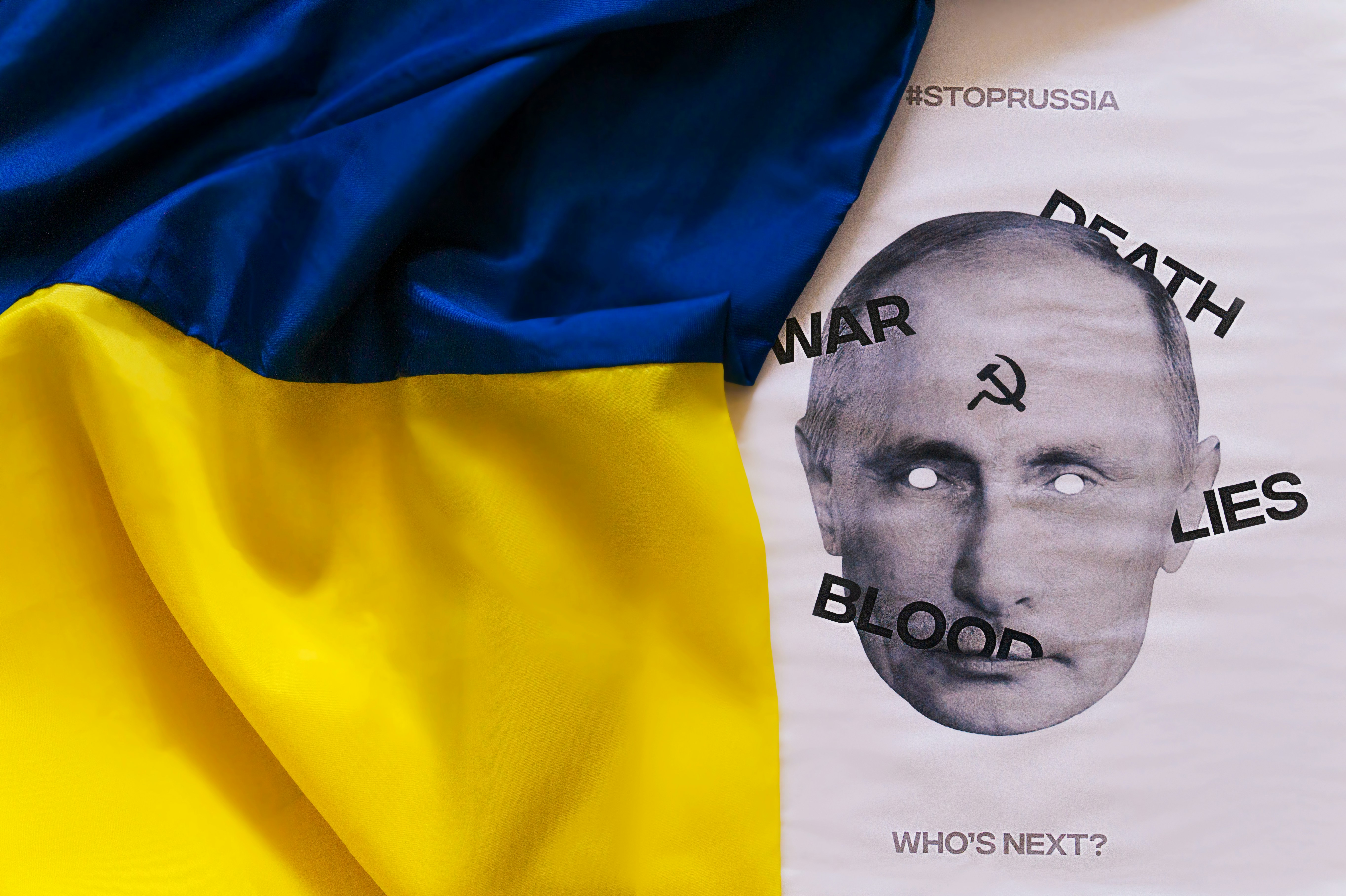
Overview of the Russia-Ukraine Conflict
The Russia-Ukraine conflict has its roots in a complex interplay of historical, cultural, and political factors that date back several decades. The dissolution of the Soviet Union in 1991 saw Ukraine gain independence, marking a significant turning point in its political landscape. The subsequent years were characterized by fluctuations in power, with different administrations vying for closer ties with Western Europe or maintaining allegiance to Russia.
In 2013, the situation escalated dramatically when then-President Viktor Yanukovych suspended an association agreement with the European Union, leading to widespread protests in Ukraine’s capital, Kyiv. These protests, known as the Euromaidan protests, were driven by a desire for closer integration with Europe and a rejection of perceived Russian influence. The protests culminated in Yanukovych fleeing to Russia in early 2014, creating a power vacuum that further exacerbated tensions.
The annexation of Crimea by Russia in March 2014 marked a pivotal moment in the unfolding conflict. This action was condemned by much of the international community and seen as a violation of Ukraine’s sovereignty. Following Crimea’s annexation, pro-Russian separatists in Eastern Ukraine declared independence, leading to armed conflict in the Donetsk and Luhansk regions. The involvement of Russian military personnel and resources on the side of the separatists has been a point of contention and has drawn widespread criticism.
Key actors in this ongoing war include the Ukrainian government, which seeks to maintain territorial integrity and sovereignty, and Russian state actors, whose actions have been perceived as efforts to reassert influence over former Soviet territories. Western nations have played a supportive role for Ukraine, providing military assistance and imposing economic sanctions on Russia. As the conflict persists, the historical, political, and cultural dimensions continue to shape the dynamics between the involved parties.
Major Developments in Recent Months
In recent months, the ongoing conflict between Russia and Ukraine has seen notable military and political developments that have further shaped the landscape of the war. On the battlefield, shifts in military tactics have marked a significant change in how forces are deployed and engaged. As both sides adapt to the evolving conditions, Ukraine has made strategic advances in certain regions by leveraging enhanced support from Western allies, particularly in terms of advanced weaponry and military training.
Additionally, Russia has responded by reinforcing its positions in contested areas, employing a mix of conventional and asymmetric warfare to maintain an advantage. The deployment of new artillery systems and the integration of drone technology into operations illustrates the continuous adaptation of military strategies by both nations. Reports indicate that urban warfare has become increasingly prevalent, leading to heightened civilian casualties and the destruction of critical infrastructure.
Diplomatically, recent months have been characterized by both attempts at negotiation and notable failures. High-level discussions facilitated by various international actors have sought to establish a ceasefire and address humanitarian concerns, yet these talks have often resulted in stalemates. The escalation of military actions tends to overshadow diplomatic efforts, raising tensions not only between Russia and Ukraine but also among the international community, as nations grapple with the geopolitical implications of the conflict.
In conclusion, the past few months have underscored the dynamic nature of the Russia-Ukraine war, with significant changes on the battlefield and ongoing diplomatic challenges. As the situation continues to unfold, the ramifications of these developments are likely to have lasting effects on the future trajectory of the conflict and its broader implications for regional stability.
The Humanitarian Crisis: Impact on Civilians
The ongoing Russia-Ukraine war has precipitated a profound humanitarian crisis, significantly affecting civilian populations in both nations. As hostilities continue, the toll on human life and well-being is distressing. According to recent estimates, over 7 million people have been displaced within Ukraine, while millions more have sought refuge in neighboring countries. This mass displacement underscores the urgency of addressing the humanitarian needs of those uprooted from their homes.
Casualty statistics paint a grim picture of the situation. Reports indicate that thousands of civilian lives have been lost since the onset of the conflict, with many others suffering from injuries and trauma. Children have been particularly vulnerable, facing disruptions in education and access to basic health services. Humanitarian organizations, while striving to provide assistance, have encountered significant challenges. Restricted access to war-torn areas and ongoing hostilities complicate their efforts to deliver essential supplies and support.
The complexities of the humanitarian response are further exacerbated by funding deficits and the overwhelming scale of needs. Aid organizations are working tirelessly to address food insecurity, healthcare access, and psychological support. Nevertheless, they are often met with logistical hurdles that impede their humanitarian missions. Internally displaced persons face dire living conditions, lacking sufficient shelter, sanitation, and nutritional support, which raises concerns about their long-term welfare.
In Russia, the war’s consequences also affect civilians, albeit in different ways. Economic sanctions have led to a decline in living standards, with rising costs for essential goods impacting public welfare. This has spurred domestic challenges, affecting the wider populace despite the government’s attempts to stabilize the situation. The resultant socio-economic pressures contribute to an overall sense of uncertainty and anxiety.
As the conflict persists, the need for collaborative, sustained humanitarian efforts becomes increasingly critical to alleviate the suffering of those impacted by the war, ensuring that aid reaches those who need it most.”}
International Response and Sanctions
The ongoing conflict between Russia and Ukraine has elicited a robust response from the international community, reflecting widespread concern over violations of sovereignty and the potential for destabilization in Eastern Europe. In particular, economic sanctions have emerged as a primary means for countries and international organizations to express disapproval of Russia’s actions. These sanctions, which have been implemented by nations such as the United States, members of the European Union, and various allies, target key sectors of the Russian economy, including finance, energy, and military exports.
One of the significant implications of these sanctions is their impact on the Russian economy. As international trade and investment flows diminish due to restrictions, Russia faces challenges, including inflation, decreased foreign investment, and access to critical technologies. The sanctions have also prompted a re-evaluation of trade relationships, leading to increased reliance on non-Western countries, particularly China. This shift not only affects Russia’s economic landscape but also transforms its diplomatic relationships, further isolating it from traditional Western partners.
The role of international organizations, such as NATO and the European Union, has also been crucial in this context. NATO has increased its military presence in Eastern Europe to reassure member states bordering Russia, while the EU has focused on coordinating economic responses among its members. Furthermore, individual countries like Canada, Australia, and Japan have joined in the sanctions effort, reinforcing a united front against aggression. The significant diplomatic alignments reveal underlying geopolitical tensions and the reality that future international relations will be heavily influenced by the outcomes of this conflict. As the situation unfolds, the effectiveness of these sanctions remains a pivotal consideration in assessing both Russia’s capacity to sustain its military campaign and the broader geopolitical landscape in Europe and beyond.
The Role of Media in Shaping Public Perception
The Russia-Ukraine war has seen extensive media coverage that significantly shapes public perception both domestically and internationally. Various news outlets have framed their narratives according to political biases, national interests, and editorial policies. The narratives presented by these outlets often influence how audiences understand the complexities of the conflict, leading to varying interpretations and reactions among different populations.
Mainstream media plays a pivotal role in this context, as it serves as a primary source of information for many individuals. Different outlets may emphasize specific aspects of the war, such as humanitarian crises, military developments, or political ramifications, creating distinct portrayals of the ongoing situation. Thus, the selection of stories, the language used, and the framing of events can substantially affect public sentiment, shaping perceptions that may be supportive or critical of one side or another.
Moreover, the rise of social media has transformed information dissemination, allowing for a quicker, albeit sometimes less reliable, spread of news. Platforms like Twitter and Facebook have enabled individuals to share their views and experiences in real-time, which can amplify certain narratives or counter them. The virality of content on social media can also lead to the spread of misinformation and propaganda, as users may share unverified claims that conform to their biases. Consequently, this dynamic landscape often complicates the public’s ability to discern fact from fiction, particularly during a conflict as polarizing as the Russia-Ukraine war.
As the war continues, the influence of both traditional media and social media will remain crucial in shaping public perceptions. Understanding the mechanisms through which information is reported and shared is essential for comprehending the broader implications of the conflict on global opinion and policy decisions.
Potential Outcomes and Scenarios
The ongoing conflict between Russia and Ukraine has significant implications that extend beyond the immediate battlefield. As the situation evolves, it is crucial to consider the potential outcomes and scenarios regarding the future of this war. Several key factors will likely play a pivotal role in shaping the eventual resolution of this conflict.
One primary factor is the military capabilities of both nations. A sustained military offensive from either side could significantly alter the dynamics of the conflict. If Ukraine continues to receive substantial military support from Western allies, it may enhance its defensive and offensive capabilities, potentially leading to a shift in momentum on the ground. Conversely, Russia’s ability to bolster its resources and sustain troop levels will also influence the war’s trajectory.
Negotiation prospects represent another critical element in forecasting the future of the Russia-Ukraine war. Diplomatic efforts have fluctuated, with periods of heightened dialogue and subsequent escalations of military confrontations. Any forthcoming negotiations will require compromise and mutual recognition of each party’s essential interests. The involvement of international mediators could facilitate discussions, but the success of such efforts will ultimately depend on the willingness of both parties to engage in meaningful dialogue.
Additionally, the implications for global security and the geopolitical landscape are considerable. Should the war continue indefinitely, it may lead to a shift in alliances and the restructuring of international relations. Nations are already reassessing their security strategies, which could result in the rearmament of neighboring states or shifts in foreign policy that prioritize deterrent capabilities against perceived aggression.
While the future of the conflict remains uncertain, it is evident that multiple scenarios could unfold based on military actions and diplomatic engagements. An understanding of these potential outcomes is vital for stakeholders aiming to navigate the evolving complexities of this geopolitical crisis.
Economic Consequences of the War
The ongoing conflict between Russia and Ukraine has considerable implications for the global economy, impacting various sectors including markets, energy supplies, and agricultural exports. One of the immediate economic consequences of the war is the volatility it brings to global markets. Stock exchanges have witnessed significant fluctuations as investor sentiment shifts in response to the evolving situation on the ground. This uncertainty often leads to risk aversion among investors, resulting in capital flight from Eastern Europe and a retreat to safer assets like gold and government bonds.
Additionally, the conflict has had a dramatic effect on energy supplies. As Russia is a major oil and gas supplier, any disruption in supply due to sanctions or military actions raises concerns about energy prices worldwide. Europe, heavily reliant on Russian energy, faces the challenge of sourcing alternative supplies, which could lead to increased costs for consumers and businesses alike. This constraint could potentially stifle economic growth, particularly in industries reliant on stable energy prices.
A further significant element to consider is the agricultural exports from Ukraine, often referred to as the breadbasket of Europe. The war has severely disrupted grain production and transportation logistics, resulting in higher global food prices and even shortages in regions dependent on Ukrainian exports. The implications extend beyond immediate shortages, as prolonged disruption could reshape global agricultural trade patterns for years to come.
In the longer term, the economic impact on both Russia and Ukraine is likely to be profound. Ukraine’s infrastructure has suffered extensive damage, leading to a deep economic recession, while Russia faces the repercussions of international sanctions that could hinder its economic growth and technological advancement. Overall, the economic ramifications of the Russia-Ukraine conflict are multifaceted, with reverberations felt across the globe, potentially altering economic alliances and trade relationships in the years to come.
Expert Opinions and Predictions
The ongoing conflict between Russia and Ukraine has drawn significant attention from a spectrum of experts, including military analysts, political scientists, and specialists in conflict resolution. Their insights provide a multifaceted understanding of the current status of the war and its potential future implications.
Military analysts emphasize the dynamic nature of the battlefield, where strategies and tactics are continually evolving. They point out that both sides have adapted over time, making predictions on military outcomes challenging. Some analysts foresee a protracted conflict with potential stalemates, while others suggest that shifts in international support and domestic policies could rapidly alter the balance of power. The role of drone warfare, cyber capabilities, and allied support is highlighted as critical in shaping future military engagements.
Political scientists, on the other hand, analyze the conflict within a broader geopolitical context. They argue that the war has significant implications for global alliances and power dynamics. The analysts suggest that the West’s response to Russia’s aggression will likely determine the trajectory of international relations for the coming years. They also caution against underestimating the long-term impact of sanctions and political isolation on Russia, raising the possibility of internal dissent as the economic fallout deepens.
Conflict resolution experts contribute another layer of analysis by discussing potential pathways to peace. Many advocate for diplomatic efforts to engage both parties in negotiations, emphasizing the importance of finding common ground. They highlight that any lasting solution will require not only addressing the immediate territorial disputes but also delving into the underlying grievances that have fueled the conflict. The restoration of trust among parties is deemed essential for any peace process to succeed.
In conclusion, the future of the Russia-Ukraine war remains uncertain and will be shaped by a complex interplay of military developments, geopolitical shifts, and diplomatic efforts. The insights from various experts underscore the necessity of a thorough understanding of these dynamics in anticipating possible outcomes.
Conclusion: What Lies Ahead?
The ongoing conflict between Russia and Ukraine has profoundly impacted global geopolitics, regional stability, and international relations. Key developments during the war, such as the military strategies employed by both nations, shifts in alliances, and the influence of external powers, have reshaped not only the immediate landscape but also the future trajectory of the conflict. As we assess the current state of play, it is essential to recognize that the situation remains fluid, with considerable uncertainty surrounding potential outcomes.
One critical question for the future is how the international community will respond to the evolving dynamics of the Russia-Ukraine war. Continued support for Ukraine from Western nations has been a pivotal element in maintaining its defense against aggression. However, as the war progresses, the sustainability of this support may be tested. Developing strategies to engage with Russia while ensuring Ukraine’s sovereignty will remain a challenge, raising points of contention and cooperation among global powers.
Additionally, the humanitarian implications of the conflict cannot be overlooked. Millions have been displaced, and the destruction has severely impacted local economies and infrastructures. The efforts toward reconstruction, humanitarian aid, and reconciliation processes will be crucial in defining the post-conflict landscape. Furthermore, the war’s impact on global energy markets and food security is expected to continue influencing economic conditions worldwide.
As the situation evolves, it remains imperative for stakeholders to stay vigilant and adaptive. The dialogue surrounding peace negotiations, ceasefires, and potential resolutions must be prioritized to minimize further escalation. In summary, the future of the Russia-Ukraine war hinges on complex interdependencies and strategic calculations, requiring ongoing attention from global observers and policymakers alike. The unpredictability of war poses significant questions for the region, making it essential to monitor the developments closely in the months and years ahead.