
Overview of Forest Cover in India
India is home to a diverse range of forest ecosystems, which play a crucial role in maintaining ecological balance, conserving biodiversity, and supporting livelihoods. According to the India State of Forest Report 2021, the total forest area in India is approximately 8.09, 000 km², which constitutes 24.62% of the country’s total geographical area. This indicates a slight increase in forest cover over recent years, attributed to various afforestation and conservation initiatives.
The types of forests present in India can be categorized into different classifications, primarily based on climatic conditions. Tropical rainforests, predominantly found in the Western Ghats, Northeast India, and Andaman and Nicobar Islands, are characterized by high biodiversity and dense vegetation. These forests are crucial for numerous species of flora and fauna, many of which are endemic to the region.Additionally, the country also hosts deciduous forests, found in regions like Madhya Pradesh and Uttar Pradesh, which shed their leaves during the dry season. In contrast, temperate forests, mainly located in the higher altitudes of the Himalayas, showcase a different ecosystem, with coniferous and broadleaf trees adapted to colder climates.
Geographically, the distribution of forests in India varies significantly from one region to another. The Northeast region contributes significantly to the forest area, accounting for around 12% of the total forest cover, while the Western Ghats and Himalayan regions are also recognized for their rich biodiversity. However, the forest cover in central and southern India is diverse and supports various economic activities, particularly those linked to the timber and non-timber forest products industry.
Forests in India are not only vital for sustaining ecological health but also for providing essential resources to local communities. They play a significant role in carbon sequestration, thus contributing to climate regulation and combating climate change. Therefore, understanding the current state of forest cover in India is fundamental to addressing environmental challenges and promoting sustainable management practices.
Causes of Forest Cover Decline
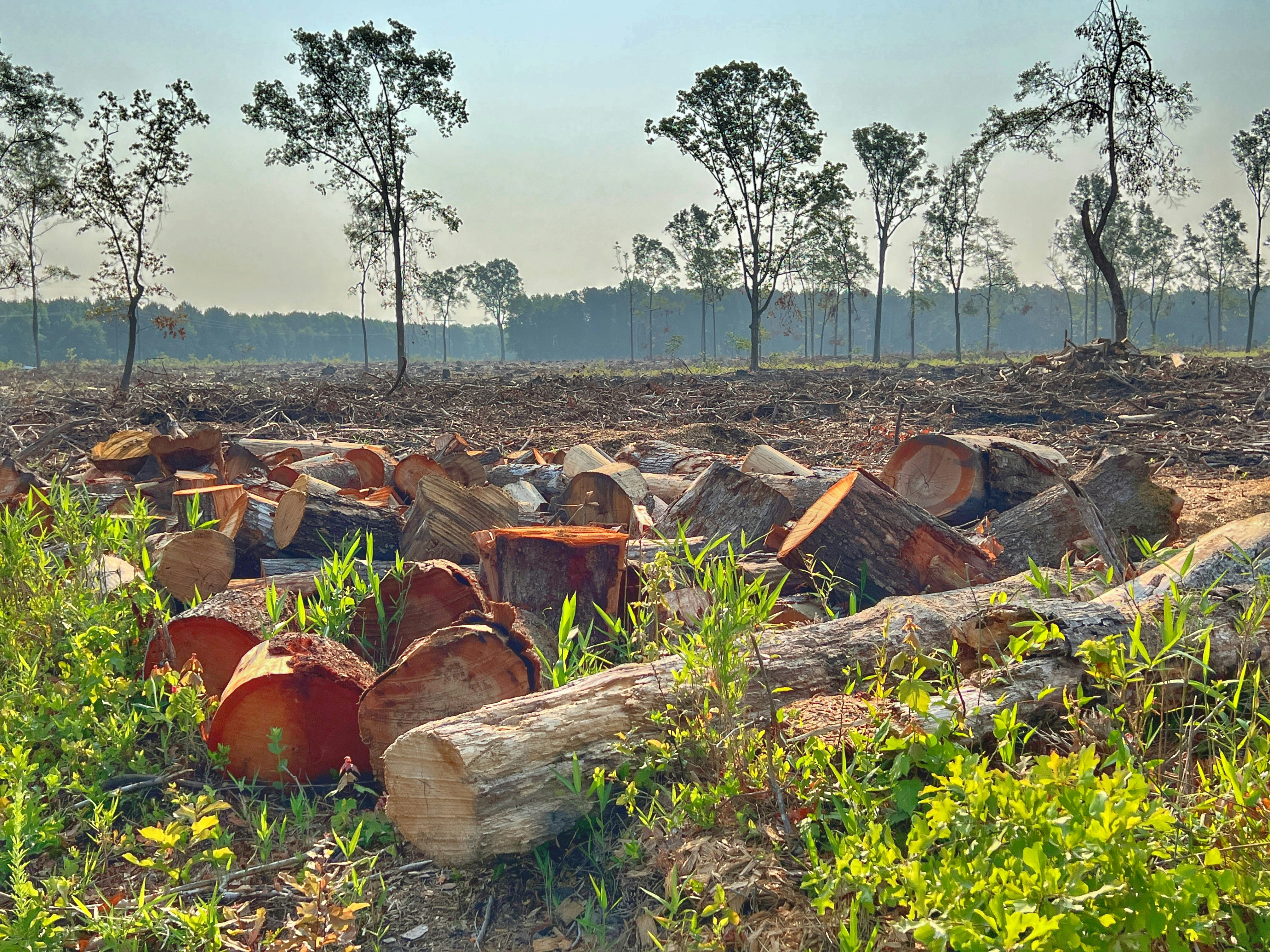
The decline in forest cover in India can be attributed to several interlinked factors, each exacerbating the loss of vital ecosystems. One of the primary contributors to this issue is deforestation for agricultural expansion. As the population increases, there is a rising demand for land to cultivate crops, which has led to the widespread clearing of forests. According to reports, significant portions of forested areas have been converted to agricultural land, drastically reducing natural habitats and biodiversity.
Urbanization is another critical factor leading to forest cover decline in India. Rapid urban development demands extensive land use for housing, industries, and infrastructure. As cities expand, forest lands are often seen as prime real estate for development projects. This not only eliminates existing forests but also fragments the remaining forests, making it difficult for wildlife to thrive and reproduce.
Illegal logging also plays a detrimental role in the decline of forest cover. Despite regulations in place to protect these ecosystems, the demand for timber and non-timber forest products perpetuates illegal activities. Logging, done unsustainably, results in the loss of trees and the degradation of forest health, affecting the overall biodiversity of the area.
Infrastructural development, such as roads and highways, further compounds these challenges. While it is essential for economic growth, such development often leads to significant deforestation. Road construction through forest areas not only cuts down trees but also facilitates access to previously unreachable forested lands, encouraging further exploitation.
Lastly, the effects of climate change exacerbate the forest cover decline in India. Changes in rainfall patterns, rising temperatures, and increased frequency of natural disasters adversely affect the resilience of forest ecosystems. These impacts, combined with human-induced pressures, create a precarious situation for forests, leading to a vicious cycle of degradation.
Consequences of Diminishing Forests
The decline in forest cover poses serious environmental, economic, and social consequences that are increasingly becoming evident in India. One of the most significant environmental impacts is the loss of biodiversity. Forests serve as habitats for a variety of flora and fauna, and their destruction leads to the extinction of numerous species. This loss not only disrupts ecosystems but also reduces genetic diversity, which can hamper ecological resilience and the ability to adapt to environmental changes.
In addition to biodiversity loss, the decline of forests disrupts water cycles. Forests play a pivotal role in maintaining the hydrological balance by absorbing rainfall and releasing moisture into the atmosphere. When trees are removed, the increased runoff can lead to soil erosion, reducing soil fertility and further complicating water retention in the ecosystem. This disruption has direct implications for agricultural productivity, which is critical for food security in a country like India that heavily relies on agriculture.
The impact of declining forests extends to climate change as well. Forests act as carbon sinks; thus, their depletion accelerates the emission of greenhouse gases into the atmosphere. This process not only contributes to global warming but also exacerbates local climatic conditions, leading to erratic weather patterns. Farmers and rural communities are often the most affected by these changes, facing challenges such as droughts, floods, and crop failures, which threaten their livelihoods.
Moreover, the implications for Indigenous communities and local economies that depend on forest resources are profound. Many local inhabitants rely on forests for food, medicine, and shelter, thus any reduction in forest cover jeopardizes their way of life. These communities often suffer from diminished access to essential natural resources, resulting in increased poverty and social inequality. The loss of forests translates not only into environmental degradation but also into socio-economic instability, highlighting the need for urgent interventions and sustainable management practices.
Efforts and Strategies for Conservation
In recent years, the decline in forest cover in India has led to heightened awareness and a concerted effort among various stakeholders to address this issue comprehensively. The Indian government has implemented several policies and programs aimed at forest conservation and restoration. One of the pivotal initiatives is the National Afforestation Program (NAP), which focuses on reforesting degraded areas and enhancing the quality of existing forest lands. Additionally, the Compensatory Afforestation Fund Management and Planning Authority (CAMPA) has been established to facilitate the use of funds generated from deforestation activities to promote afforestation and conservation efforts.
In partnership with governmental initiatives, numerous non-governmental organizations (NGOs) have emerged, driving community-centric conservation efforts. These NGOs engage with local populations to raise awareness about the importance of forests and the negative impact of deforestation. Programs designed to involve local communities often highlight sustainable livelihoods linked to forestry, encouraging practices that protect rather than exploit forest resources. Furthermore, initiatives such as community-managed forests have successfully empowered local groups to take responsibility for forest stewardship, resulting in improved forest health and biodiversity.
Another significant facet of forest conservation strategies in India is the emphasis on reforestation. Various state governments have launched reforestation programs that not only aim to replenish forested areas but also include planting native tree species to restore ecological balance. Collaborations between local communities, governmental bodies, and NGOs have also fostered innovative conservation practices that utilize modern technologies, such as GIS mapping, to monitor forest cover changes effectively.
Looking forward, a multi-faceted approach that combines policy enforcement with grassroots involvement seems vital for reversing forest cover decline. Progress will require sustained political commitment, continuous funding, and a shift towards long-term sustainable practices that take both ecological and socio-economic factors into consideration. By integrating various conservation strategies and enhancing community participation, India can work towards a future that safeguards its valuable forest ecosystems.