
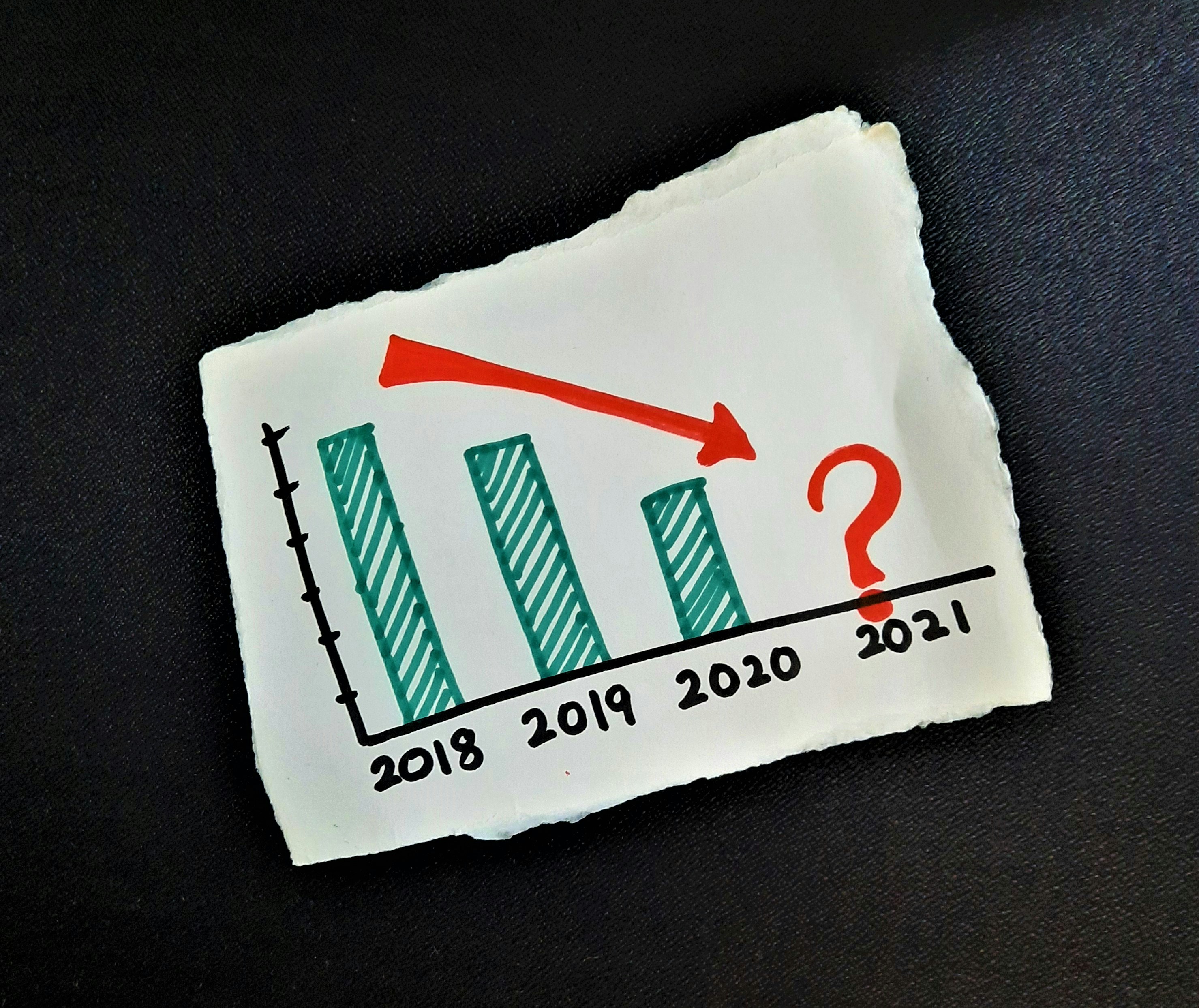
Understanding the Poor-Rich Divide
The poor-rich divide refers to the economic gap that separates affluent individuals from those living in poverty. Recent studies have indicated that this divide is widening, with more stark differences in wealth distribution across the globe. Factors contributing to this growing inequality include globalization, technological advancements, and differing access to education and health services.
Current Trends Influencing Economic Disparity
As we look at the current economic landscape, it is evident that the gap between the wealthy and the poor continues to expand. According to various reports, the wealthiest 1% control a significant portion of global resources, while millions live below the poverty line. The ongoing impacts of the COVID-19 pandemic have further exacerbated these inequalities, leading to increased unemployment and diminished opportunities for those already struggling.
Potential Solutions to Bridge the Divide
Addressing the poor-rich divide requires comprehensive strategies that range from policy reforms to community initiatives. Governments can implement progressive taxation to ensure that the wealthy contribute their fair share to society. Additionally, investing in education and job training programs can empower individuals in lower-income brackets, giving them the tools they need to improve their economic standing. Moreover, fostering inclusive economic growth through equitable access to resources can help mitigate disparities.
While the challenge is daunting, exploring and implementing meaningful solutions can lead to a more equitable future. As we analyze potential approaches, it is crucial to engage in discussions about the feasibility of reducing this divide and considering the implications for global stability and prosperity.