The Rise of Drone Warfare
The evolution of drone warfare represents a significant shift in military strategies since its inception. Initially used for reconnaissance and surveillance purposes, unmanned aerial vehicles (UAVs) have progressively advanced to become pivotal assets in modern warfare. The historical context surrounding the development of drone technology traces back to World War I, where the first rudimentary UAVs were utilized for target practice and as a means to mislead enemy forces.
However, it was not until the late 20th century that drone warfare began to take a more defined shape. In the 1990s, the United States military adopted Predator drones, which primarily focused on reconnaissance. These early drones laid the groundwork for future advancements, enabling armed forces to gather intelligence in high-risk environments without placing personnel in harm’s way. The turning point came during the conflicts in Afghanistan and Iraq, where the operational capabilities of drones expanded significantly.
The introduction of precision-guided munitions on UAVs marked a milestone in military operations. This capability allowed for targeted strikes with minimal collateral damage, changing the landscape of military engagements. As armed forces recognized the effectiveness of drone strikes, the integration of drones into existing military frameworks became more mainstream. By employing remote piloting technologies, military strategists could make swift decisions, achieving tactical advantages unprecedented in previous warfare paradigms.
Moreover, the rise of drone warfare highlights the increasing reliance on technology in military operations, prompting discussions around ethics and legal ramifications. As drones continue to evolve, incorporating artificial intelligence and enhanced surveillance capabilities, their role in defense strategies will likely expand further, shaping both the future of warfare and international relations.
Technological Advancements in Drone Manufacturing
The evolution of drone warfare heavily relies on technological advancements in drone manufacturing, marking a significant shift in modern defense systems. Innovations in materials have played a crucial role in enhancing the capabilities of military drones. For instance, the use of lightweight composites has enabled manufacturers to create more durable and efficient drones. These materials not only reduce the overall weight of the drone but also improve its fuel efficiency and flight time, allowing for extended missions without the need for frequent refueling.
Design improvements have also transformed drone functionalities. The introduction of modular designs allows for easy upgrades and repairs, ensuring that drones remain at the forefront of technological advancements throughout their operational lifespan. This adaptability is essential for military applications, where rapid response and versatility are key attributes. Additionally, advancements in avionics have significantly improved navigation and piloting systems, incorporating sophisticated algorithms and real-time data processing. Such features enhance the drone’s precision targeting capabilities and situational awareness on the battlefield.
Furthermore, the integration of advanced sensors and communication systems has expanded the operational range of military drones. The development of high-resolution cameras and multi-spectral imaging capabilities has increased the effectiveness of reconnaissance and surveillance missions. Modern drones equipped with these technologies can provide real-time intelligence to ground forces, facilitating informed decision-making in complex environments. Moreover, improvements in autonomous flight technology have diminished the need for human intervention, allowing drones to execute missions with greater efficiency and reduced risk to personnel.
As we observe these continual advancements in drone manufacturing, it is evident that the landscape of military operations is being transformed. The innovations in materials, designs, and functionalities enhance not only the effectiveness of drone warfare but also redefine the strategic thinking behind modern defense systems. With ongoing research and development, the future of drone technology holds further promise for enhancing military capabilities.
Global Leaders in Drone Manufacturing
In recent years, the drone manufacturing industry has witnessed significant growth, driven by advancements in technology and a rise in military applications. Several countries have emerged as leaders in this sector, each contributing unique innovations and capabilities that enhance their respective defense systems.
The United States remains at the forefront of drone technology, particularly through companies such as General Atomics and Northrop Grumman. The Predator and Reaper drones developed by General Atomics have become pivotal in modern warfare, showcasing advanced surveillance capabilities and precision strike options. These platforms have revolutionized military operations by enabling remote engagements while minimizing risks to ground personnel.
Israel is another key player in the global drone market, known for its cutting-edge UAV technology. Israeli companies like Elbit Systems and Israel Aerospace Industries have developed a range of unmanned aerial vehicles designed for reconnaissance and combat. The Iron Dome system, which integrates drone technology, exemplifies Israel’s innovative approach to aerial defense and threat interception.
China has rapidly ascended in the drone manufacturing landscape, significantly investing in research and development. The Chengdu Aircraft Industry Group and the China Aerospace Science and Technology Corporation are among the leaders in this area. China’s Wing Loong and Rainbow series of drones have gained attention not only for their military capabilities but also as exportable systems, solidifying the country’s position as a major supplier in the global market.
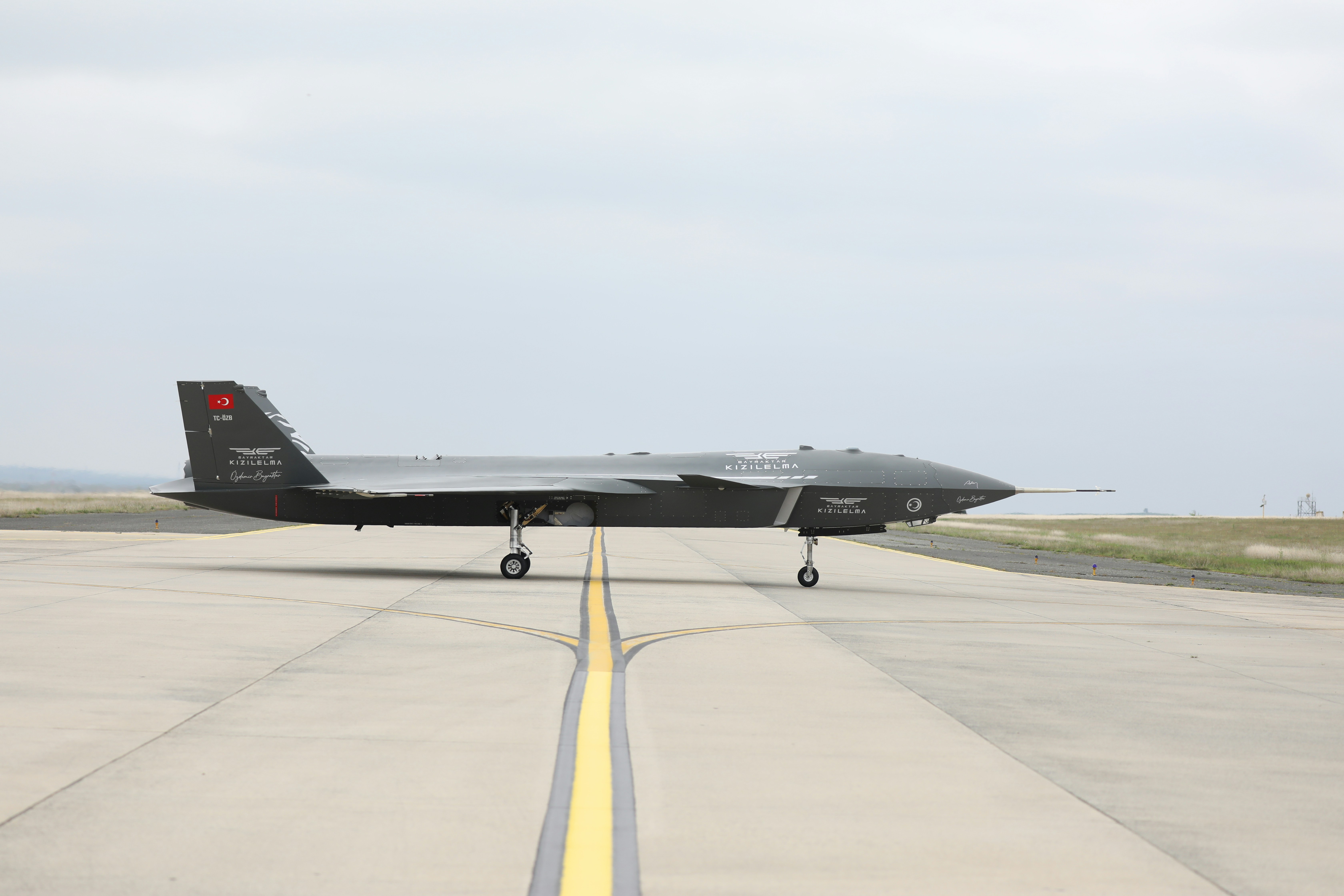
Turkey has emerged as a formidable force in drone technology, particularly through the development of the Bayraktar TB2, a tactical UAV that has seen success in various conflict zones. Turkish defense firms are adept in adapting drone technology for both domestic needs and international sales, enhancing their competitive stance in the global arena.
These nations represent a fraction of the global drone manufacturing market; however, their contributions are shaping the future of defense systems. As countries continue to invest in UAV technologies, the landscape of aerial warfare will undoubtedly evolve, influenced by these leaders and their innovations.
Impact on Tactical Warfare Strategies
The integration of drones into military operations has significantly transformed tactical warfare strategies, reshaping the face of modern combat. The advent of unmanned aerial vehicles (UAVs) has introduced a new dimension to reconnaissance, surveillance, and strike capabilities that were previously unattainable with traditional manned aircraft. These technological advancements have enabled military forces to gather intelligence from a safe distance, allowing for improved situational awareness on the battlefield.
Drones facilitate continuous monitoring of hostile territories, reducing the element of surprise for opposing forces. This shift in intelligence-gathering methods empowers commanders to make more informed decisions regarding troop movements and engagement rules. The capacity for real-time data collection has enhanced the responsiveness of military operations, significantly improving operational effectiveness.
Moreover, the tactical deployment of drones has altered engagement policies. Military leaders can conduct strikes against high-value targets with precision, thereby minimizing collateral damage and civilian casualties. This capability has made drones an essential component of targeted operations, significantly influencing the engagement of threats in asymmetric warfare settings.
The use of drones has also created new layers of strategic planning in military engagements. For instance, the ability to carry out strikes remotely means that personnel can remain out of harm’s way, thereby preserving human resources during prolonged conflicts. This aspect is particularly vital in modern warfare, where avoiding casualties has become a priority for military forces to maintain domestic support.
Furthermore, the mobility and flexibility of drones allow for rapid reallocation within various operational theaters. This flexibility enables forces to adapt quickly to shifting battlefield dynamics, ensuring continued tactical advantages. Thus, the integration of drones not only impacts immediate combat strategies but also plays a crucial role in long-term defense planning and military diplomacy.
Ethical Considerations of Drone Warfare
Drone warfare has significantly altered the landscape of modern military engagements, raising substantial ethical considerations that warrant comprehensive examination. As unmanned aerial vehicles (UAVs) become pivotal in military strategy, the implications surrounding their use extend beyond tactical advantages and delve into profound moral dilemmas.
One of the primary concerns regarding drone warfare is the issue of accountability. The ability to deploy strikes without direct human involvement can lead to a diffusion of responsibility. Who is accountable when a drone strike results in unintended civilian casualties? The disconnect between operators, often located far from the battlefield, and the consequences of their actions creates a challenging framework for establishing moral and legal accountability.
Moreover, the potential for civilian casualties is a critical aspect of the ethical discourse on drone warfare. Although proponents argue that drones can be used to target combatants with precision, the reality is that mistakes happen, leading to tragic outcomes. Civilian casualties not only cause immense human suffering but also contribute to a cycle of resentment and extremism, complicating international relations and undermining the legitimacy of military operations.
Furthermore, the evolving nature of warfare ethics invites scrutiny. As technology advances, the threshold for engaging in armed conflict lowers, raising questions about when it is justifiable to use force. The reliance on drones may encourage states to pursue more aggressive military policies, potentially leading to an unrestrained approach to conflict resolution. The ongoing debate surrounding these ethical implications poses critical questions about the future of warfare and the moral frameworks within which military operations are conducted.
In light of these complexities, it is essential for policymakers, military leaders, and society at large to engage in thorough discussions regarding the ethical ramifications of drone warfare. As we navigate the intersection of technology and morality, understanding the implications of these new technologies is crucial for shaping a more accountable and ethical military strategy in the years to come.
Drones in Asymmetric Warfare
The introduction of drones has dramatically altered the landscape of modern conflict, especially in the context of asymmetric warfare. This type of warfare typically involves smaller or less technologically advanced forces facing larger, more sophisticated military opponents. Drones, or unmanned aerial vehicles (UAVs), provide these smaller factions with a means to level the playing field, thereby reshaping strategies and tactics on both sides of the conflict.
One of the primary advantages of drones in asymmetric warfare is their ability to conduct reconnaissance and gather intelligence with minimal risk to personnel. Smaller forces can deploy drones to monitor enemy movements, gather data on troop placements, and assess battlefield conditions. This intelligence can empower them to make informed decisions, enhancing their operational effectiveness despite their limited resources.
Drones also serve as a significant force multiplier in offensive operations. Equipped with precision-guided munitions, drones enable smaller groups to strike key targets effectively, causing disruption and inflicting damage without the need for large-scale ground forces. Such capabilities allow these groups to challenge larger adversaries, fostering a sense of empowerment among fighters who might otherwise feel outmatched.
Moreover, drones can be employed for psychological warfare, creating a constant surveillance presence that can instill fear in enemy combatants. The knowledge that they are being watched or targeted from the sky can deter larger forces from advancing and can shape their tactical decisions. This psychological aspect of drone deployment further underscores their impact within the framework of asymmetric conflict.
In essence, the integration of drones into the tactics of smaller or less technologically sophisticated forces has fundamentally shifted the dynamics of warfare. By providing enhanced intelligence capabilities, facilitating precision strikes, and playing psychological roles, drones have empowered these factions in their struggles against more formidable opponents. The evolution of drone technology continues to influence not only military strategy but also the outcomes of conflicts characterized by asymmetry in capabilities.
Future Trends in Drone Warfare
As drone warfare continues to evolve, several potential trends suggest significant advancements in technology and military strategy. One of the foremost developments is the integration of artificial intelligence (AI). AI-enhanced drones are expected to offer capabilities such as autonomous target identification and decision-making, thus reducing the necessity for human intervention in critical combat scenarios. This progression could lead to more efficient mission execution while minimizing the risks faced by human operators.
Moreover, the proliferation of swarming technology is anticipated to change the dynamics of aerial combat. Drones operating in coordinated groups, or swarms, can overwhelm adversaries through sheer numbers and sophisticated programmed tactics. Such a strategy could serve to counter traditional military assets that may struggle to engage multiple aerial threats simultaneously.
The data-driven approach towards warfare implies that data collection and processing capabilities will become increasingly vital. Future drones will likely be equipped with advanced sensors, enabling them to gather real-time intelligence on battlefield conditions. This data can then be analyzed to inform command decisions, potentially changing the tide of engagements by providing real-time situational awareness.
Another critical trend is the development of counter-drone technologies. As drone warfare expands, so too does the need for effective defenses against such systems. Military forces may invest in jamming technologies, directed energy weapons, and other innovative methods to neutralize enemy drones, leading to a dynamic arms race between offensive and defensive capabilities.
Lastly, changes in international military doctrines may parallel technological advancements. Nations may prioritize drone warfare in their strategic planning, leading to enhanced training programs for personnel and a reevaluation of traditional combat roles. This shift could redefine coalition warfare and impact global power dynamics, showcasing the increasing significance of drone capabilities in modern defense systems.
Regulatory and Policy Challenges
The rapid advancement of drone technology has led to significant challenges in establishing regulatory frameworks and policies that govern their use in military operations. As unmanned aerial vehicles (UAVs) become increasingly prevalent in defense systems, the need for comprehensive regulations that address their operational, ethical, and legal implications is essential.
One primary concern is the lack of universally accepted international law regarding the use of drones in combat. Existing frameworks, such as the Geneva Conventions, were established before the advent of drone technology, leading to ambiguities in their application to UAV operations. This gap in international law results in challenges related to target identification, civilian protection, and accountability for drone strikes.
Moreover, countries employing drones for military purposes often interpret legalities differently, creating a patchwork of policies that can lead to conflicts and misunderstandings on the battlefield. For instance, some nations assert the right to engage targets based on self-defense, while others cite sovereignty violations. These discrepancies highlight the urgent need for international dialogue aimed at developing a cohesive set of guidelines for the ethical use of drone warfare.
In addition to international law considerations, domestic regulations also play a crucial role in defining the parameters of drone usage. Nations must balance their security needs with the potential risks posed to civilians and infrastructure. Policy makers face the daunting task of creating frameworks that ensure transparency and oversight while preserving operational effectiveness. This includes the establishment of protocols for authorization and review of drone strikes to minimize unintended casualties.
In summary, as drone warfare continues to evolve, the formulation of robust regulatory frameworks and policies is critical. The integration of international legal standards with domestic regulations will be necessary to address the multifaceted challenges posed by the use of drones, ensuring that military operations adhere to ethical considerations and mitigate the risks associated with armed conflict in an increasingly complex environment.
Public Perception and Media Representation
The perception of drone warfare among the public is significantly influenced by various forms of media coverage, cultural narratives, and representations in popular culture. Historically, the portrayal of military tactics has shifted as technologies evolve; drones, in particular, present unique challenges and opportunities in shaping public understanding and sentiment. The mass media plays a crucial role in framing drone warfare narratives, often highlighting both its strategic advantages and ethical dilemmas.
Coverage of drone strikes, particularly in conflicts such as those in Iraq and Afghanistan, has often focused on the precision of drone technology and its ability to reduce collateral damage. However, these reports can also emphasize the lack of human oversight and accountability, raising ethical questions regarding remote warfare. This duality in media narrative contributes to a complex public perception, where drones may be viewed as both lifesaving tools and instruments of unjust violence.
Cultural narratives surrounding drone warfare are further enriched by cinematic representations and television programs, which typically dramatize the use of drones for targeted strikes. Such portrayals can amplify fears about surveillance and loss of personal privacy, often sensationalizing the implications of drone technology in civilian life. Popular culture has a powerful impact on how society perceives technology, and the dramatic depiction of drone warfare tends to evoke strong emotional responses, shaping public opinion and policy discussions.
Furthermore, social media platforms have emerged as battlegrounds for public discourse on drone warfare, allowing individuals and interest groups to share their viewpoints widely. Viral campaigns, influenced by prominent events, can sway public opinion substantially, highlighting the need for critical reflection on the narratives being disseminated. Acknowledging the nuances of public perception is essential for understanding how drone warfare is accepted or contested within the broader societal context.