
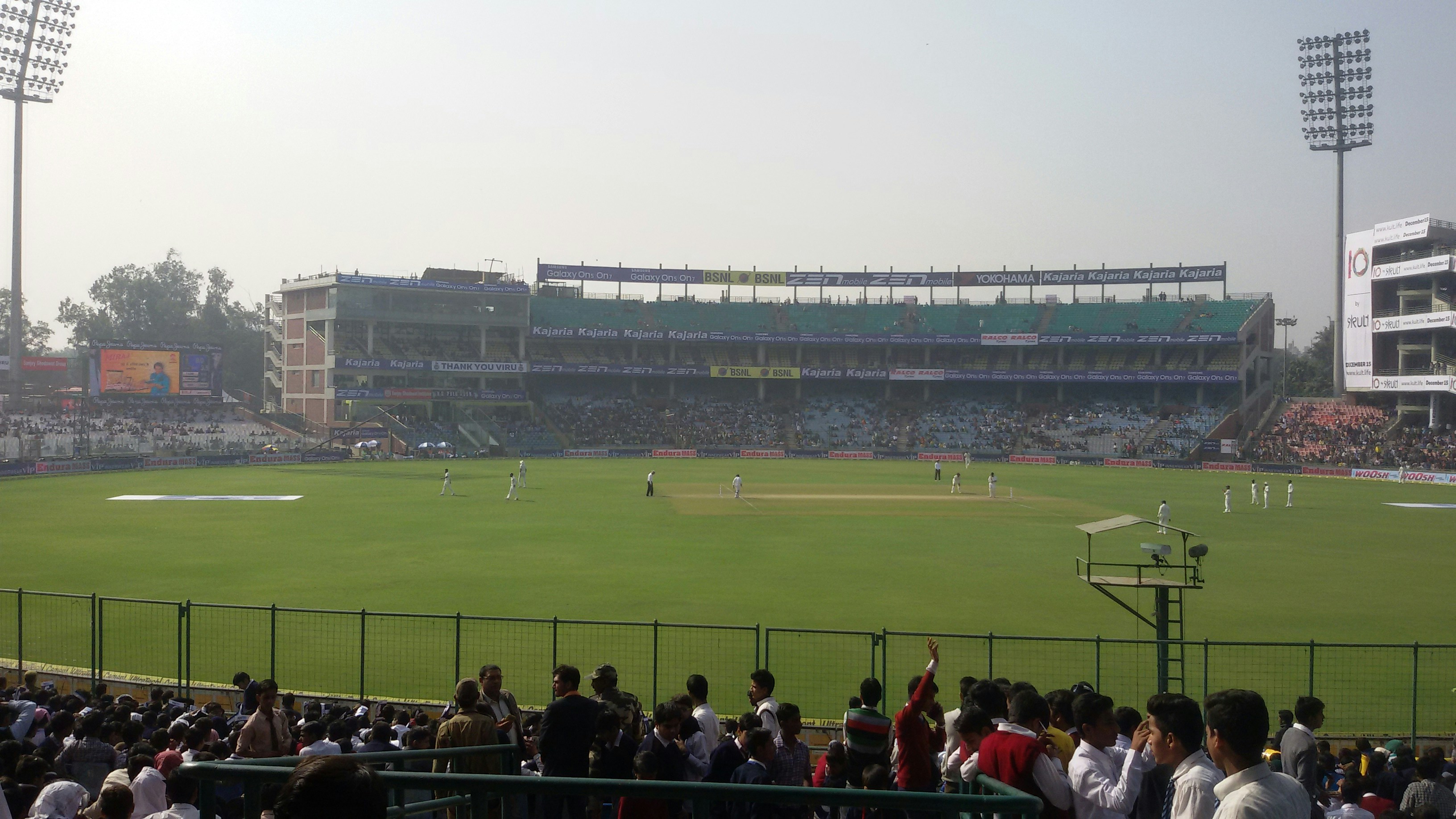
An India–New Zealand ODI series in 2026 will draw attention because it brings together two sides with substantial histories in the format. India has built a deep one-day tradition around technical batting, varied bowling resources and strong support for the game. New Zealand has earned respect through disciplined planning, adaptability and a team-first approach that can remain effective across changing conditions. Their meetings therefore offer more than a comparison of rankings or individual reputations: they tend to show how each team responds when familiar strengths are challenged. That history gives the 2026 contest a natural profile among cricket followers.
The precise weight of the series, however, cannot be judged in isolation. Its significance will depend on the confirmed schedule, the venues and where the matches sit within the international calendar. A bilateral ODI assignment may serve different purposes depending on what comes before and after it, including opportunities to assess combinations, maintain match rhythm or pursue results in its own right. Until those details are established, it would be premature to attach specific tournament consequences or describe particular fixtures as decisive. The series can still provide a competitive setting in which both teams measure their preparation and execution against a familiar, capable opponent.
Conditions, team balance and player form are likely to shape the contest. Surfaces and weather can influence whether patience, scoring range or bowling variation proves most valuable, while the balance between specialist batters, all-round options and different types of bowlers may determine how flexibly each side can adapt. The form of experienced players, including Rohit Sharma and Virat Kohli if involved, could attract particular interest, but their participation and roles should not be assumed before selections are confirmed. Younger or less-established players may also affect the outcome through opportunities created by the final squads. These variables make the series a test of skill and composure as well as reputation, with its context becoming clearer once the schedule and team plans are known.
The sporting stakes of an India–New Zealand series in 2026 will depend on its place in the international calendar and the priorities each side brings to it. If the fixtures fall within a preparation window for a major one-day international competition, they could provide meaningful practice under match conditions. If other formats or longer-term planning take precedence, the series may instead serve as an opportunity to test options and maintain competitive sharpness. Results would matter, but their significance would be shaped by the broader context.
For India, the matches could help clarify batting and bowling combinations. The middle order may be assessed for its ability to manage different phases: rebuilding after early wickets, sustaining the scoring rate, and finishing an innings effectively. Team management could also examine how players fit alongside established names such as Rohit Sharma and Virat Kohli, depending on selection and availability. With the ball, India may look at roles across the pace and spin groups, including how plans change between innings and respond to conditions. A series can also reveal whether reserves are ready to step in when opportunities arise.
New Zealand, meanwhile, could use the contest to evaluate how reliably its players adapt to Indian pitches, weather, and the demands of touring. Consistency across venues and match situations may be as valuable as individual performances, particularly if the side is building toward future ODI commitments. The visitors may also seek to test bowling approaches against India’s varied batting resources and find ways to maintain control through the middle overs and at the death. For both teams, strong performances can build confidence, while close contests may expose areas requiring attention. Neither outcome alone should be treated as a definitive measure of progress: squad rotation, workload management, and experimental selections may influence results. The series’ true value will ultimately depend on what each team needs to learn and how closely those lessons align with its wider objectives.
Rohit Sharma’s contribution is likely to attract close attention whenever India meet New Zealand in 2026, given his experience and influence at the top of the order. His place in the confirmed squad and his specific role should not be assumed in advance; those details depend on the team announcement and match context. If he features, the early overs will offer a useful measure of his form. New Zealand’s new-ball attack can test a batter with movement, bounce, and disciplined lines, making Rohit’s choices against both pace and length especially significant.
One key point to watch will be whether he can turn a promising start into a substantial score. Rohit has often shown the ability to put pressure on bowlers through confident stroke play, but a brisk beginning only becomes a major innings if it is followed by sound judgement as conditions and field settings change. His balance between aggression and stability will therefore matter: attacking opportunities can accelerate India’s scoring, while restraint against challenging spells can preserve a platform for the middle order. His shot selection, management of risk, and response after a quiet passage may all shape the innings.
Rohit’s form could also influence the nature of India’s opening partnership and the tempo established in the first phase. A fluent start may give his partner room to settle or allow the pair to build pressure quickly; a cautious spell, by contrast, can make rotation and communication more important. If he is appointed captain, observers will also assess his field placements, bowling changes, and composure when New Zealand create pressure. If he is not leading the side, attention can remain on his value as a senior batter: setting standards, reading conditions, and helping the opening pair provide a strong base. These are indicators to follow, not guarantees of a particular outcome.
As a senior ODI batter, Virat Kohli is likely to attract close attention throughout India’s 2026 contest with New Zealand. That scrutiny is best judged through what can be observed at the crease, rather than predictions about reputation or form. His consistency across innings, the control he shows during the middle overs, and his capacity to keep the scoreboard moving will all be relevant measures. Against a disciplined attack, the ability to rotate strike can prevent pressure from building and create opportunities to target scoring options. These details may matter as much as the headline total he records.
Kohli’s starts will also be assessed by how effectively he converts them into innings that shape the match. In a chase, that could mean balancing patience with an appropriate scoring rate as the target and conditions dictate. When India bat first, a substantial contribution from him could help establish a platform for a competitive total, while a well-paced innings may leave later batters room to accelerate. The value of his work will therefore depend not only on runs, but on timing, partnerships, and the position India are in when he departs. New Zealand’s bowling plans and the state of the pitch will influence those demands.
Rohit Sharma’s performance will form part of the same wider assessment. Together, the two experienced batters can provide leadership and stability, but the series will not be decided by their scores alone. India’s ability to build or chase totals under pressure will depend on how the middle and lower order support early contributions, and whether partnerships develop when wickets fall. The bowlers must also defend totals or restrict New Zealand during a chase, while sharp fielding can shift momentum. With conditions changing from match to match, adaptability across the squad may prove just as important as individual experience. Kohli and Rohit could be influential figures, but their impact will sit within a collective contest involving every department.