Overview of Recent Flood Events in Nepal and Tibet
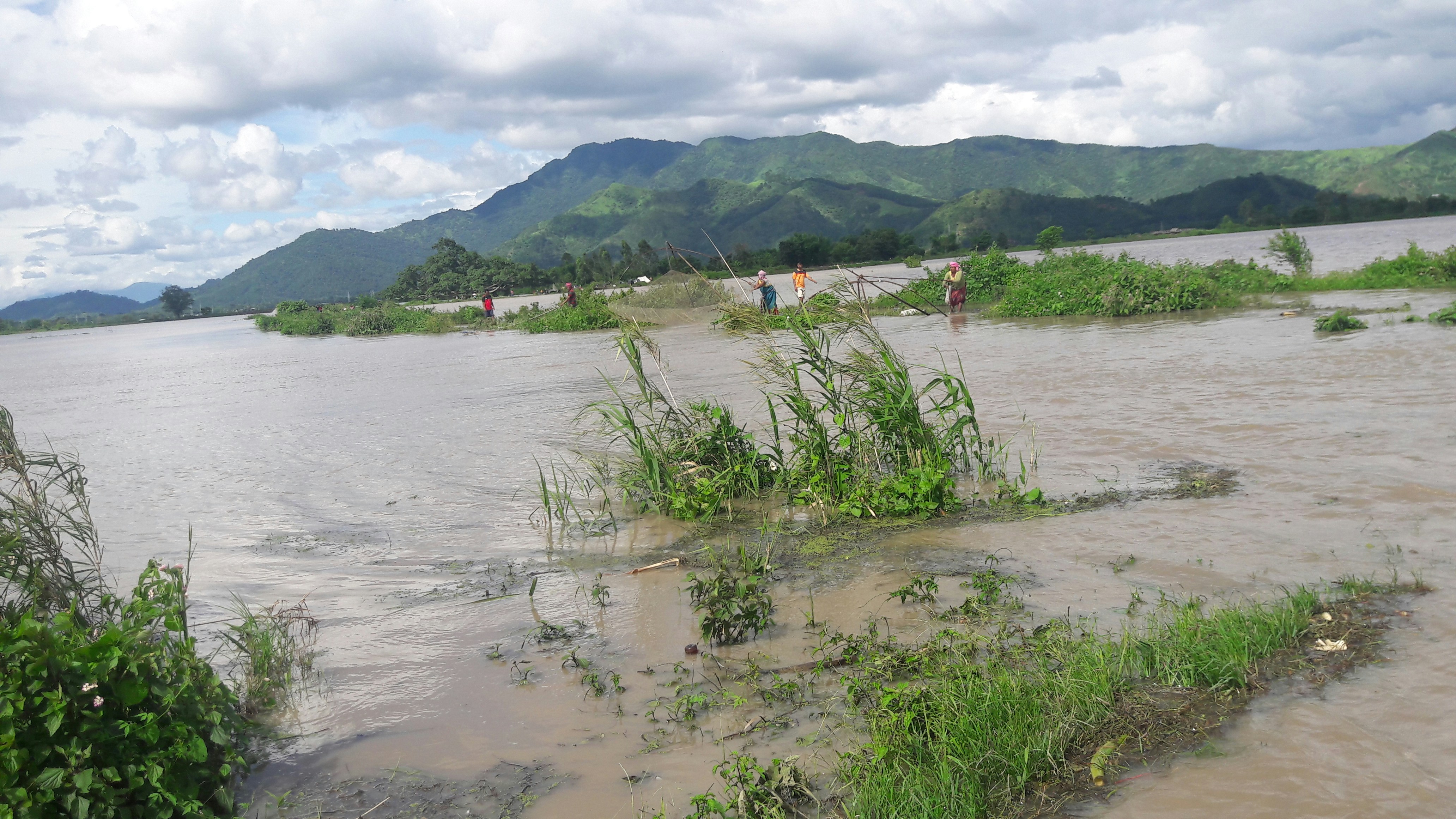
The recent floods in Nepal and Tibet have drawn the attention of scientists, policymakers, and humanitarian organizations alike, highlighting the pressing need to understand the underlying factors contributing to these disasters. In recent months, heavy rainfall coupled with the rapid melting of glaciers has triggered severe flooding across various regions. The monsoon season, which typically spans from June to September, has seen an unusual intensity in rainfall, causing rivers to overflow and affecting large parts of both countries.
In Nepal, the central and western regions have experienced significant flooding events, particularly in provinces like Gandaki and Bagmati. Communities have faced devastating impacts as riverbanks eroded and landslides ensued, blocking roads and displacing thousands. For instance, the Karnali River recorded rising water levels that led to widespread devastation in low-lying areas. Additionally, the aftermath of these floods has severely hampered rescue and recovery efforts, leaving many without access to essential services.
Similarly, Tibet has not been spared from the effects of these flooding events. The autonomous region has seen swollen rivers and cascading torrents, which have affected settlements along the riverbanks. The combination of climate change and deforestation has exacerbated the situation, leading to increased sedimentation and reduced water retention capacities in local ecosystems. As a result, both regions have faced challenges in managing water resources effectively, worsening the vulnerability of local populations.
Understanding the causes of the Nepal flood and the corresponding events in Tibet is crucial to developing effective response strategies. The significance of these flooding incidents extends beyond immediate humanitarian needs, as they serve as a poignant reminder of the broader climatic shifts occurring globally. Such events compel us to examine and address the complex relationship between human activity, environmental degradation, and the increasing frequency of extreme weather phenomena.
Climate Change and Its Role in Flooding
The phenomenon of climate change has become a significant factor influencing the frequency and severity of natural disasters, particularly in regions like Nepal and Tibet. Recent studies indicate that rising global temperatures are altering precipitation patterns, creating more volatile weather conditions. This unpredictability plays a crucial role in intensifying the incidence of floods.
In Nepal, the increasing variability of monsoon seasons can be directly linked to climate change. Normally, this period is characterized by consistent rainfall; however, variations due to global warming have led to unexpected downpours that overwhelm local water management systems. The consequences are dire, as such intense rainfall increases the likelihood of flash floods, which not only devastate infrastructure but also pose serious threats to human life and agriculture.
The relationship between climate change and flooding is further complicated by the accelerated melting of glaciers in the Himalayan region. As global temperatures rise, glaciers that have historically regulated river flows begin to shrink. This melting contributes to rising water levels in rivers, often resulting in catastrophic flooding during the monsoon season. The regions surrounding these rivers become especially vulnerable, as traditional management practices fail to accommodate sudden changes in water volume.
Additionally, climate change is exacerbating soil erosion and deforestation, which diminish the land’s ability to absorb rainfall. As vegetation cover declines, the likelihood of surface runoff increases, leading to more severe flooding events. In essence, the impact of climate change on the hydrological cycle is creating a feedback loop that results in more frequent and severe flooding in Nepal.
Addressing the issues of climate change will require a combination of local adaptation strategies and global initiatives aimed at reducing greenhouse gas emissions. As Nepal continues to experience the fallout from these environmental shifts, understanding the nuances of how climate change contributes to flooding will be essential for developing effective mitigation efforts.
The Causes of Flooding in Nepal and Tibet
The floods in Nepal have become an increasingly common and devastating occurrence, with various factors converging to create conditions conducive to these natural disasters. One of the primary contributors to the phenomenon is heavy rainfall. Monsoon seasons in Nepal and Tibet often bring torrential downpours, which can lead to rapid water accumulation in rivers and tributaries. When the rain exceeds certain thresholds, it becomes challenging for the existing waterways to accommodate the volume, resulting in widespread flooding.
Another critical factor is the rapid snowmelt. The mountainous regions of Nepal and Tibet are home to vast glaciers and snowfields. As global temperatures rise, these snow reserves melt at an accelerated rate, significantly increasing the volume of water flowing into rivers. This phenomenon can turn manageable water levels into flood-inducing torrents, particularly during transition seasons when both rain and snowmelt coincide.
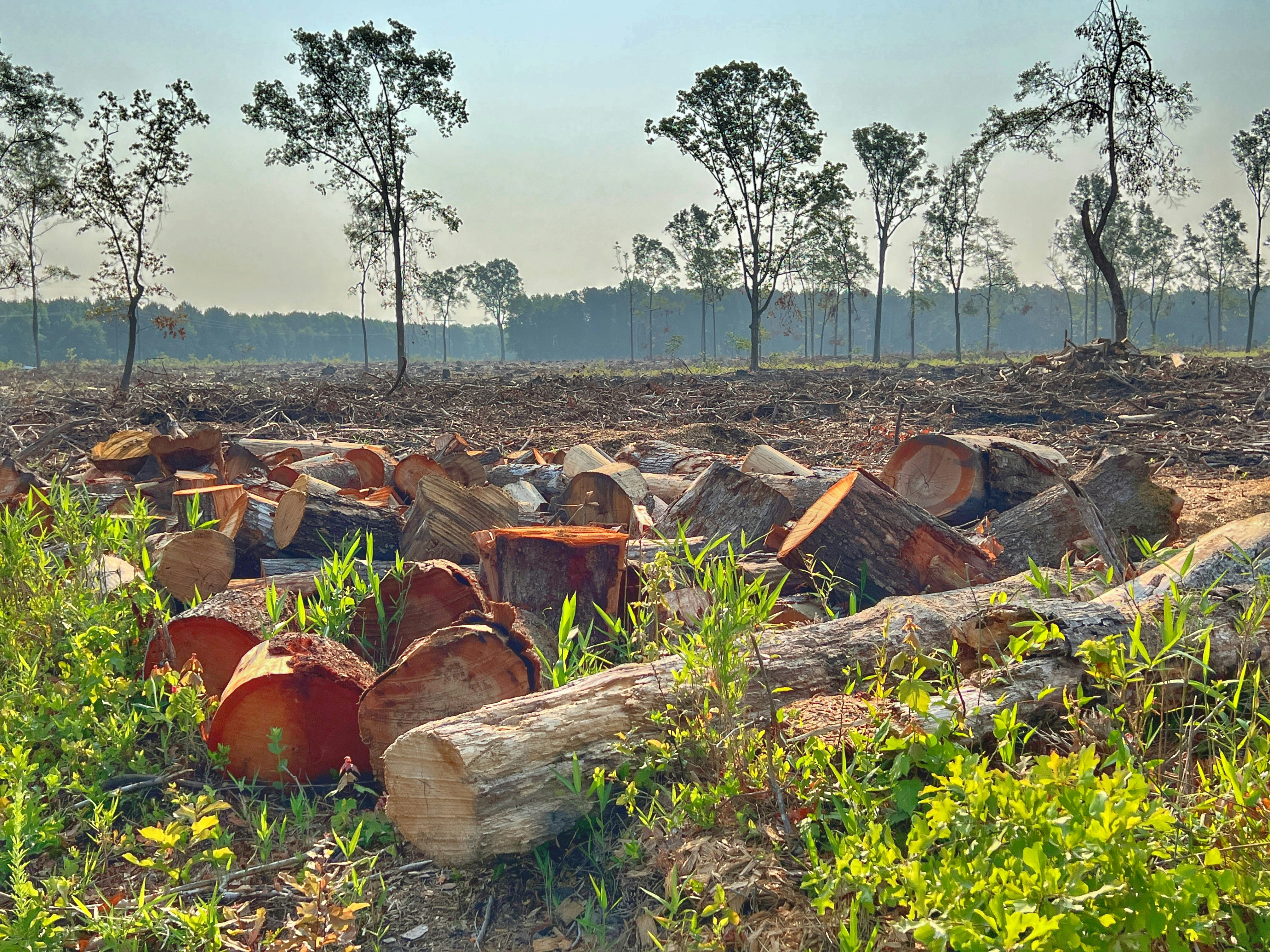
Human activities also play a pivotal role in exacerbating the risk of flooding. Deforestation, for example, has been a prevalent issue in Nepal, where the clearing of forests for agricultural expansion and urban development leads to decreased soil stability. The absence of trees diminishes the land’s ability to absorb rainfall, causing more water to run off into waterways and increasing the likelihood of flooding.
Urbanization further compounds these challenges. As cities grow, the natural landscape is altered, and impervious surfaces, such as concrete and asphalt, prevent water absorption. This reduced permeability can lead to increased runoff during heavy rains, overwhelming drainage systems designed for lower volumes. When combined with inadequate infrastructure to handle extreme weather events, the potential for significant flood damage increases, impacting both urban and rural communities.
Impact on Local Communities and Infrastructure
The flooding in Nepal has resulted in devastating immediate and long-term consequences for local communities and their infrastructure. The sheer force of the deluge has led to the destruction of countless homes, displacing families and leaving communities in dire straits. In areas hardest hit by the Nepal flood, many residents have been forced to evacuate, often losing everything they own. The absence of shelter has compelled these communities to seek refuge in temporary camps, where access to basic necessities such as clean water, sanitation, and medical care is severely restricted.
Essential services such as electricity and communication have been disrupted as infrastructure succumbs to the floodwaters. Damage to roads and bridges has further isolated many communities, making it challenging for rescue efforts and humanitarian aid to reach those in need. The breakdown of urban and rural transport systems significantly hampers recovery efforts and delays the restoration of services that communities rely upon daily.
Moreover, the influence on agricultural practices cannot be overlooked. The flooding has damaged croplands, leading to a loss of livelihoods for farmers who depend on agriculture for their sustenance and income. The destruction of irrigation systems exacerbates this situation, undermining efforts to ensure food security. With substantial portions of arable land rendered unusable, communities face the looming threat of food shortages and increased poverty. As recovery progresses, the long-term impact on agricultural outputs will likely necessitate a complete reevaluation of farming practices in affected areas to adapt to the new challenges posed by such natural disasters.
In conclusion, the multifaceted repercussions of the Nepal flood not only disrupt the physical landscape but also alter the social fabric and economic underpinnings of local communities in Nepal and Tibet. Addressing these immediate and prolonged effects is crucial for the resilience and future development of these regions.
Loss of Lives: A Humanitarian Crisis
The recent floods in Nepal have resulted in a profound humanitarian crisis, characterized by tragedy and immense suffering. Reports indicate that thousands of individuals have lost their lives due to the catastrophic floods, with the numbers continuing to rise as more areas are assessed. These unfortunate events have not only claimed lives but also left entire communities in despair, highlighting the urgent need for comprehensive disaster management strategies.
Statistics indicate that in various regions affected by the Nepal flood, particularly in rural areas, the mortality rates have been alarmingly high. Many families have been completely devastated, with some losing multiple members in a single day. Personal stories from survivors reveal the heartbreaking reality—their struggle to find loved ones amidst the debris and flooded homes. Such experiences underscore the emotional toll the floods have taken on the affected populace.
The challenges faced during search and rescue operations have considerably hampered efforts to save lives. Rescue teams have encountered numerous obstacles, including difficult weather conditions and impassable terrain, which have delayed immediate assistance to those trapped by rising waters. Moreover, the psychological impact on survivors is profound; many are grappling with grief, trauma, and uncertainty regarding their futures. Mental health support becomes an essential component of the recovery process, as the emotional scars from such disasters can last long after the physical recovery is underway.
As the situation evolves, the need for coordinated humanitarian efforts becomes increasingly vital in addressing the consequences of the Nepal flood. Local and international organizations are called to provide not only immediate relief but also comprehensive support systems that include mental health services to help individuals cope with the catastrophic changes in their lives.
Government and NGO Responses to Flooding
The recent nepal flood events have prompted significant responses from both government agencies and non-governmental organizations (NGOs). In the aftermath of these disasters, the primary focus has been on providing immediate relief to affected communities and implementing strategies aimed at mitigating the impact of future flooding. The effectiveness of these response strategies and initiatives has varied based on resource availability, logistics, and coordination among various stakeholders.
Government agencies, including the Ministry of Home Affairs and the Department of Water Induced Disaster Management, have been at the forefront of response efforts. They mobilized emergency response teams to provide essential services such as medical aid, food distribution, and temporary shelter to those displaced by the floods. The government also coordinated with local authorities to assess damage and prioritize recovery efforts. One important aspect of these operations is the establishment of disaster management committees that involve community members in recovery plans, enabling a more localized and effective response.
NGOs have played an equally crucial role in addressing the challenges posed by the flooding. Organizations such as the Red Cross and various local charities have supplemented governmental efforts by offering psychological support, rebuilding infrastructure, and launching awareness campaigns focused on disaster preparedness. Their involvement has been instrumental in ensuring that relief reaches the most vulnerable populations, who often bear the brunt of such natural disasters.
However, while these responses have made significant strides in immediate relief, long-term effectiveness remains a concern. Many relief efforts are often criticized for being reactive rather than proactive, highlighting the need for improved disaster management strategies and more sustainable approaches to address the underlying vulnerabilities that exacerbate the impacts of floods. This emphasizes the importance of continuous collaboration between government entities and NGOs to enhance community resilience against future flooding incidents.
Looking at the Future: Adaptation and Mitigation Strategies
The recurring issue of the Nepal flood underscores the urgent need for comprehensive adaptation and mitigation strategies to reduce the devastating impacts of future flooding events. One promising approach is the promotion of sustainable land use practices. Implementing effective land use planning can minimize the destruction caused by floods, as it ensures that development is done in areas less susceptible to flood risks. For instance, prohibiting construction in flood-prone zones and enhancing green spaces can play a significant role in flood management.
Moreover, improving disaster preparedness plans is essential for communities vulnerable to the repercussions of floods. This can involve the establishment of early warning systems, regular training for emergency response teams, and community drills that educate the populace on evacuation routes and safety measures. By strengthening the capacity of local authorities and engaging the community in preparedness activities, the adverse effects of floods can be significantly mitigated.
Additionally, enhancing community resilience is integral to combating the effects of potential flooding. This can be achieved through various methods, including building stronger infrastructure capable of withstanding severe weather events, promoting disaster risk reduction measures, and investing in community education regarding flood impacts and responses. Local governments can also facilitate the development of resilient agricultural practices, helping farmers adapt their crops and techniques to the changing climate and hydrological conditions.
Lastly, fostering collaboration among different stakeholders, including government agencies, NGOs, and community members, is crucial for the successful implementation of these strategies. By establishing partnerships and promoting knowledge sharing, communities can develop more effective responses to the challenges posed by floods. The interconnected nature of these strategies highlights the importance of a multifaceted approach to effectively address the ongoing concerns related to the Nepal flood and ensure a safer future for vulnerable populations.
Case Studies: Successful Flood Management Techniques
Effective flood management is crucial for reducing the impact of disasters such as the Nepal flood, which can lead to significant loss of life and property. Various regions around the world have implemented successful strategies to manage flood risks, which can serve as valuable lessons for both Nepal and Tibet. One notable example is the Netherlands, known for its innovative flood defense systems. The country utilizes a combination of dikes, levees, and sophisticated water management techniques, including real-time monitoring systems that enable rapid responses to impending floods. This integrated approach not only protects populated areas but also maintains the ecological balance of waterways.
Another remarkable case is found in Bangladesh, where community-based flood management programs have shown significant efficacy. Local communities are engaged in identifying risks and implementing strategies tailored to their specific needs. Such programs include the construction of elevated roads, flood shelters, and early warning systems, which have empowered communities and mitigated the impacts of flooding significantly. The proactive involvement of citizens in flood preparedness and response teaches us that grassroots initiatives can complement government efforts and lead to resilient societies.
In Australia, the adaptation to flooding events in cities like Brisbane showcases effective urban planning and infrastructure development. After devastating floods in 2011, the city undertook assessments to enhance flood resilience through improved drainage systems, restoration of natural waterways, and the establishment of flood recovery plans. By integrating risk-reduction strategies into urban development, cities can significantly lessen the adverse consequences of floods.
These examples underscore the importance of adopting multifaceted flood management techniques and adjusting them to local contexts. For Nepal, where monsoon floods pose a severe threat, learning from these successful case studies could lead to the implementation of more effective and sustainable flood risk management strategies. The application of such techniques is essential in planning for a safer future amidst the increasing variability of weather patterns and climate change impacts.
Conclusion: The Path Forward for Nepal and Tibet
In reviewing the impact of the Nepal flood and its ramifications, it is evident that immediate and long-term strategies are essential to mitigate such disasters in the future. The interplay between climate change, environmental degradation, and geological vulnerabilities enhances the likelihood of severe flooding in the region. A comprehensive understanding of these factors will enable policymakers and communities to devise effective solutions.
Short-term actions must focus on enhancing emergency response systems, improving forecasting, and establishing robust communication networks to ensure timely alerts reach vulnerable populations. Strengthening flood management infrastructures, such as river embankments and reservoir systems, is critical for protecting communities from future inundations. Furthermore, implementing sustainable land management practices will help reduce erosion and increase water absorption, thereby lessening the intensity of flood events.
On a larger scale, long-term strategies should prioritize education and awareness initiatives to equip communities with knowledge about the risks and management of flooding. Collaboration between Nepal and Tibet is necessary to address transboundary water management issues. Joint efforts in research, sharing data, and resources can lead to improved resilience across both regions.
Moreover, integrating climate adaptation strategies into urban planning and rural development will be vital. By fostering an adaptable infrastructure that can withstand extreme weather events, both Nepal and Tibet can better safeguard their populations and natural resources.
In conclusion, tackling the challenges posed by flooding in Nepal and Tibet requires a multifaceted approach that involves immediate responsiveness and long-term planning. Emphasizing proactive measures will not only alleviate the disastrous effects of floods but also contribute to more resilient ecosystems and communities. By prioritizing these actions and fostering regional collaboration, it is possible to create a sustainable path forward in the wake of climate change-induced flooding.