Body language describes observable behavior that accompanies speech and interaction. It includes posture, hand gestures, facial expressions, gaze, movement, and vocal delivery, such as pace, volume, and emphasis. These cues can affect how an audience receives a message: an open stance may appear approachable, while a forceful gesture can draw attention to a particular point. In the study of communication, psychology, and politics, such signals matter because public impressions are shaped by more than words alone. They are part of how speakers present themselves and how listeners interpret a moment.
These observations can suggest emphasis, emotional tone, confidence, or a preferred interaction style, but they cannot reliably reveal a person’s private thoughts, motives, or intentions. A raised voice, a pause, or a tense expression may have several explanations, including the demands of the setting, fatigue, or a response to a question. Treating any single gesture as proof of dishonesty, anger, or a particular psychological state goes beyond what visible evidence can establish. Interpretation should therefore remain cautious and distinguish what can be seen from what is inferred.
This discussion concerns Donald Trump’s publicly visible behavior in speeches, interviews, debates, and rallies; it does not diagnose him or present speculative readings as fact. Context is essential. A gesture that appears emphatic onstage may serve a different purpose in a conversational interview, and audience reactions can influence a speaker’s delivery. Comparisons also require a baseline: a behavior is more informative when considered alongside a person’s usual presentation rather than judged in isolation. Stronger interpretations look for several cues that occur together, recur across occasions, and fit the circumstances. Even then, they describe patterns of public communication, not certain access to inner experience. Keeping these limits in view makes body-language analysis more balanced and useful, particularly when discussing a polarizing figure in a highly mediated political environment.
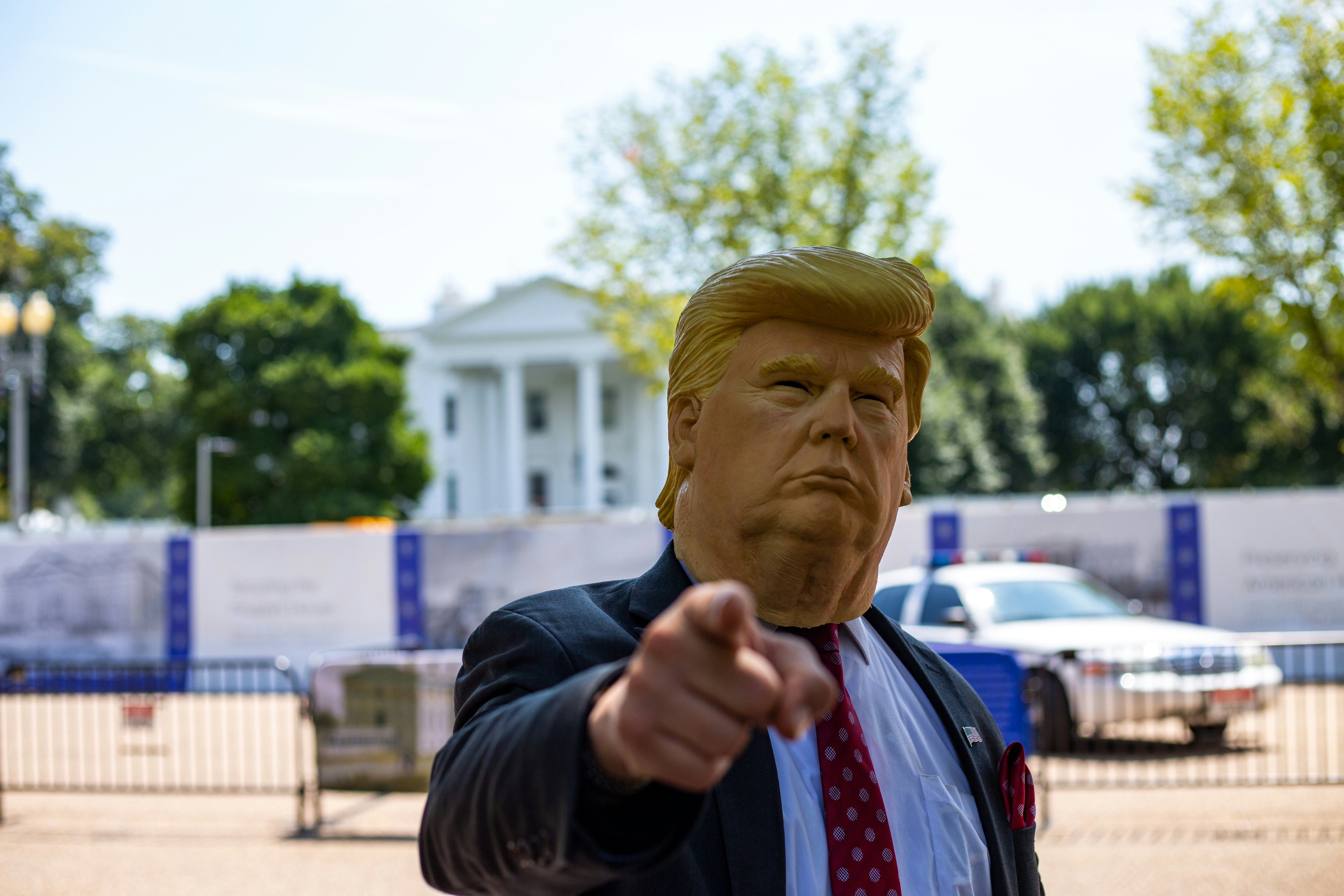
In public appearances, Donald Trump often uses a presentation that can be read as confident and authoritative. Expansive arm movements, emphatic gestures, and a stance that leans toward an audience make his presence visually prominent. Pointed hand movements may direct attention to a particular claim or person, while a direct-facing posture can create the impression of addressing viewers personally. These are observable features of performance, not reliable evidence of private feelings or intentions. In the study of Trump, psychology and politics intersect in how audiences interpret visible behavior alongside words, setting, and expectations.
Such cues can help organize a speech. A raised hand or pointed finger may punctuate a sentence, signal a transition, or emphasize a contrast; a forward lean can make an appeal seem immediate. Forceful vocal rhythm, including marked pauses and changes in volume, may reinforce that emphasis and give statements a sense of command. For supporters, the combination can communicate decisiveness, energy, and a willingness to lead. The same behaviors, however, may strike other viewers as confrontational, overly theatrical, or intended to dominate the exchange. Interpretation depends not only on the gesture itself but also on a listener’s political outlook, cultural norms, and response to the message.
It is therefore useful to distinguish a projected effect from a conclusion about inner emotional state. Body language analysis can describe how posture, movement, and delivery may shape perception; it cannot establish what a speaker privately feels. Nor does every emphatic gesture carry a fixed meaning. Camera angles can enlarge a movement or obscure its context, while editing may compress pauses and reactions. The venue also matters: a rally, interview, and formal address place different demands on a speaker, and live speaking naturally involves movement and vocal variation. Considering these conditions supports a more measured reading of authority cues. Rather than treating any single gesture as proof, viewers can examine patterns across the full appearance and compare them with the spoken content and surrounding circumstances.
During public appearances, facial expression and gesture help shape how Donald Trump’s words are received. A smile may accompany a lighthearted remark, while a frown or tightened mouth can appear during criticism or a pause. Changes in eyebrow position, head movement, and gaze can draw attention to a phrase or mark a shift in tone. Yet none of these actions has a dependable meaning on its own. Facial movements may reflect momentary concentration, reaction to noise, or deliberate performance, and interpretations depend on what is being said and when the cue occurs.
Hand gestures can provide visual emphasis, making a point easier to follow and helping a spoken phrase remain memorable. Repeated movements may become familiar features of a political persona, so audiences recognize them as part of a speaker’s public style. That familiarity can support communication, but it does not prove that a gesture carries the same intention every time. Its effect may vary with the words, the speaker’s timing, cultural expectations, and the setting. A raised hand, for example, could punctuate a statement, invite agreement, or simply accompany a natural rhythm of speech.
Expression and delivery also develop in response to an audience. At rallies, applause, laughter, interruptions, or chants may prompt a speaker to pause, raise a hand, alter pace, or change facial expression. In interviews, a question or follow-up can similarly shape a response and its visible delivery. This exchange makes public communication reciprocal: the speaker addresses the crowd, while the crowd’s reactions become part of the moment. For observers studying Trump, psychology, and politics, the most careful reading considers words and gestures together, alongside the interaction unfolding around them, rather than treating any single facial cue or movement as a fixed signal.
The same gesture can carry sharply different meanings depending on who is watching. Supporters may interpret Trump’s forceful hand movements, emphatic delivery, or rapid pace as energy and conviction; critics may see aggression, exaggeration, or an attempt to dominate. These readings are shaped not only by what appears on screen but also by prior beliefs about the speaker and the political moment. In politics, an audience’s expectations can influence which details seem important and which explanations feel plausible.
Confirmation bias can lead viewers to notice behavior that supports an existing judgment while overlooking moments that complicate it. Partisan framing may reinforce that effect, especially when commentary presents a gesture as a revealing sign of character. Selective clips pose another problem: removing a pause, response, or surrounding exchange can change how an action appears. Body language is also often treated as proof of honesty or deception, or as a shortcut to diagnosing personality. Yet a facial expression or posture alone cannot reliably establish what someone believes or intends; stress, setting, habit, and communication style may all affect visible behavior.
A more responsible reading begins with complete recordings where available, rather than isolated excerpts. Compare a person’s behavior across settings, while noting the circumstances and audience. Separate observation from inference: “he raised his voice” describes something visible, whereas “he was angry” interprets it. Consider alternative explanations and avoid treating popular claims about universal gestures as settled science; consult credible research on nonverbal communication instead. This approach is especially useful when considering Trump, psychology, and public political performance. Body language can help readers examine how a public figure communicates and how audiences respond, but it cannot support confident diagnoses or declarations about what Trump privately thinks.