
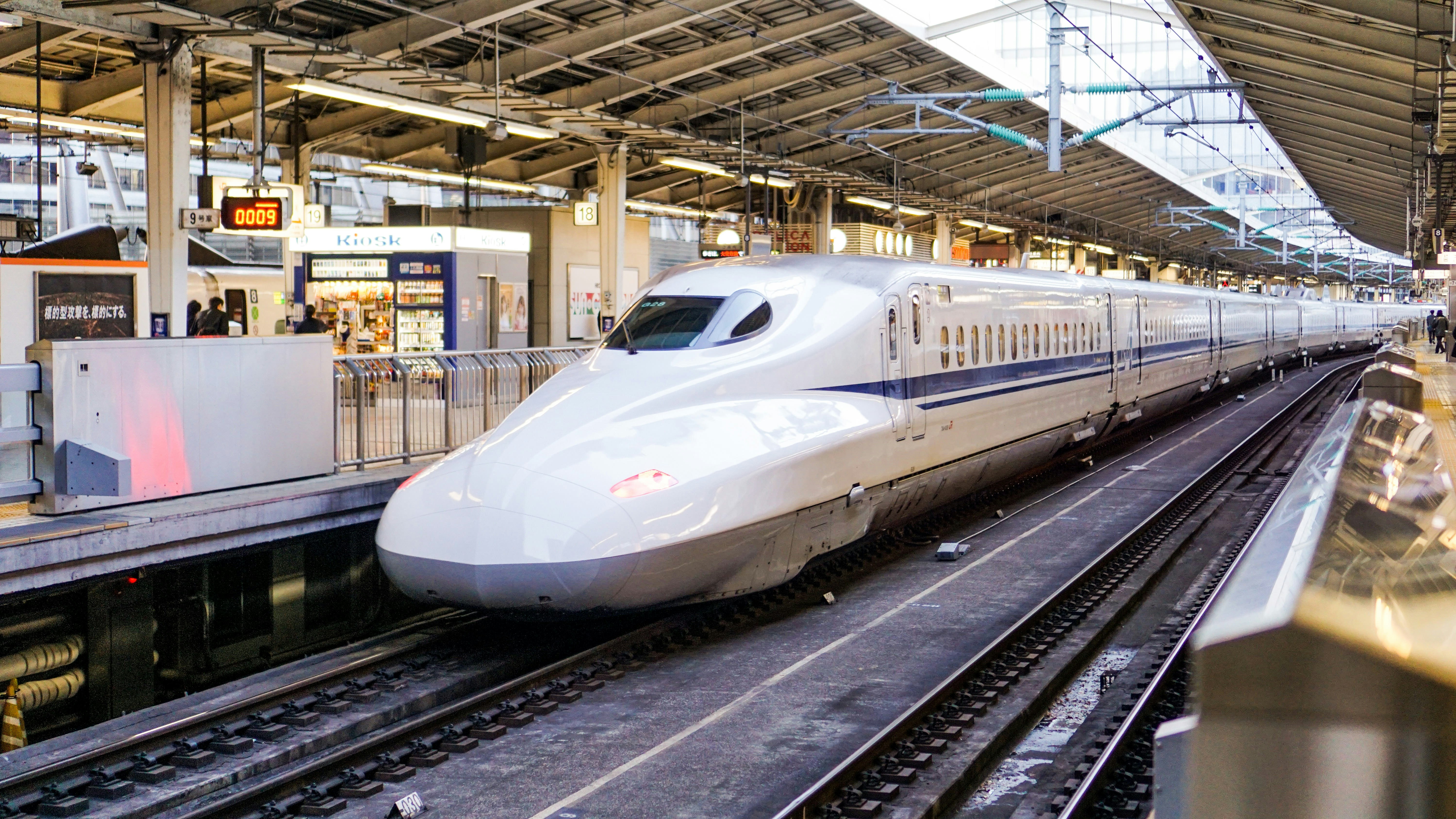
India’s high-speed rail ambitions are taking shape, but the country’s bullet train story remains focused on one major construction project. The Mumbai–Ahmedabad High-Speed Rail Corridor is intended to demonstrate how fast trains could connect major cities, while future routes remain at different stages of proposal and planning.
Mumbai–Ahmedabad: The flagship corridor
Spanning roughly 508 kilometres, the Mumbai–Ahmedabad line is being built with Japanese Shinkansen technology and support. It is designed for trains reaching up to 320 kilometres per hour, with 12 stations planned between the two cities. The route crosses Maharashtra, Gujarat and the Union Territory of Dadra and Nagar Haveli.
Construction has advanced across major civil-work packages, including bridges, viaducts, tunnels and station structures. The project has faced delays linked to land acquisition, contracting and construction challenges, so its original opening timetable has shifted. Authorities have discussed opening sections in stages, with service timelines dependent on completing infrastructure, testing and safety certification. The full corridor’s opening date should therefore be treated as a target rather than a guaranteed deadline.
What is planned beyond the first line?
Several other high-speed corridors have appeared in government announcements and planning studies, including potential links between cities such as Delhi, Varanasi, Mumbai, Pune, Hyderabad and Bengaluru. These proposals reflect interest in a wider network, but they are not all approved construction projects. Detailed feasibility work, financing, land requirements and formal government clearances must come before building can begin.
Why the timeline matters
The first corridor will offer a practical test of costs, passenger demand, technology transfer and the operating model. Its performance may influence whether India proceeds quickly with additional routes or develops them gradually. High-speed rail could shorten journeys between large urban centres, but benefits will depend on reliable connections to local transport and fares that attract enough passengers.
For now, the clearest measure of progress is on the Mumbai–Ahmedabad line. India’s broader bullet train network remains a long-term ambition, with each proposed corridor needing its own approvals, funding and schedule.