
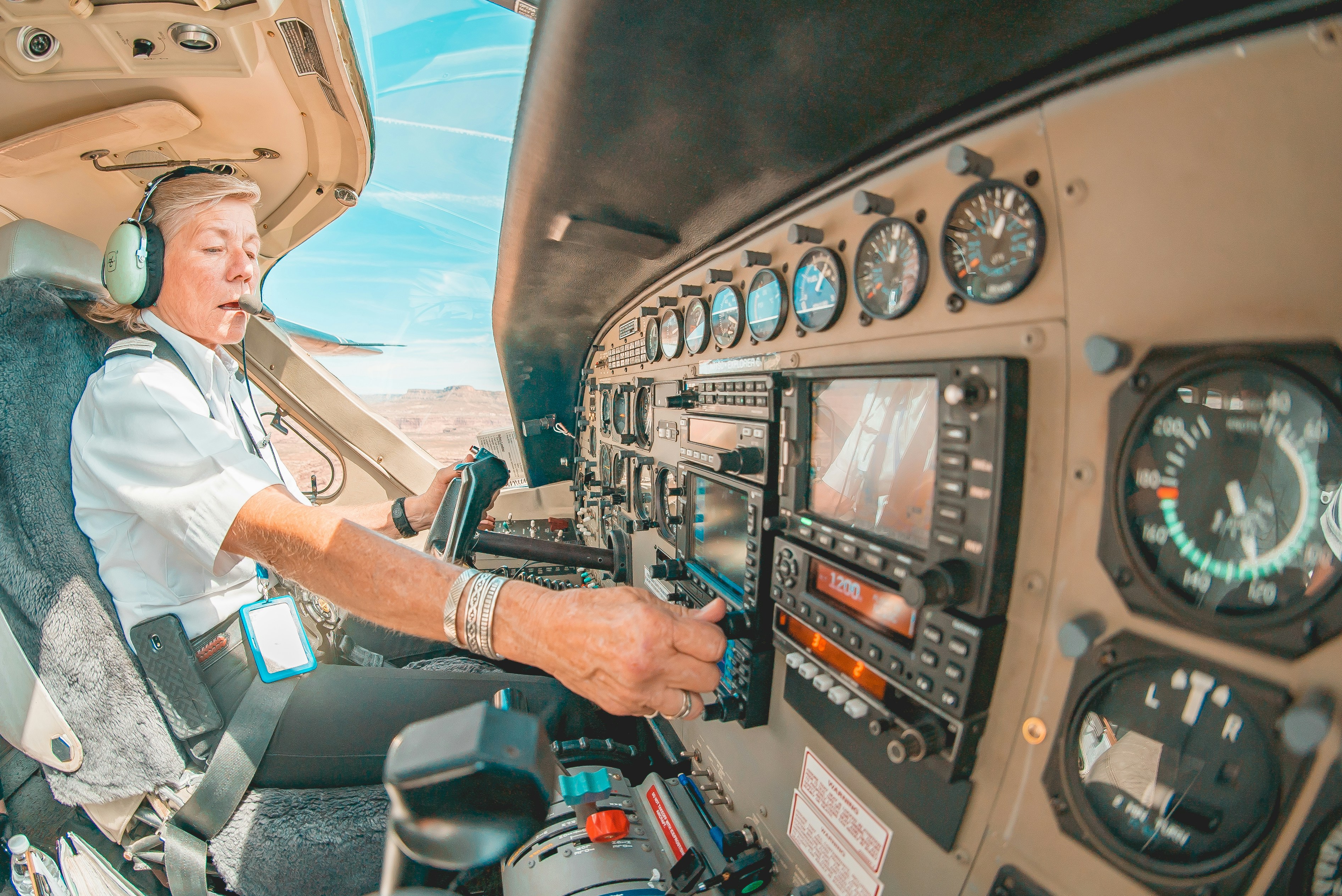
The Psychology Behind an Aviation Crisis
When an incident involving fly dubai captures public attention, people often focus on the aircraft, weather, or technical details. Yet the pilot’s psychological response is equally important. In a rapidly changing situation, pilots must manage fear, uncertainty, and intense responsibility while continuing to make precise decisions. Professional training is designed to reduce the influence of panic by turning complex emergencies into structured actions.
Training, Checklists, and Mental Discipline
Pilots do not rely on instinct alone. They use checklists, standard operating procedures, and crew coordination to create order when circumstances become confusing. These tools help limit cognitive overload, a condition in which stress makes it harder to process information. A pilot may deliberately slow their breathing, identify the most urgent problem, and confirm critical information with the other crew member.
In a fly dubai emergency, for example, cockpit resource management would encourage open communication rather than a single person making every decision. The captain and first officer can challenge assumptions, divide tasks, monitor instruments, and communicate with air traffic control. This teamwork provides both practical support and psychological reassurance.
How Stress Affects Decision-Making
Extreme stress can narrow attention, distort the perception of time, and encourage premature conclusions. Aviation training addresses these risks through simulator sessions that recreate equipment failures, difficult weather, and demanding workload conditions. Repeated exposure helps pilots recognize warning signs in themselves and others while practicing calm, prioritized responses.
After the Immediate Danger
Once an incident is over, pilots may experience delayed emotional effects, including exhaustion, intrusive memories, or self-doubt. Support from colleagues, aviation psychologists, and peer-assistance programs can help them process what happened. Investigations also play an important role by separating individual performance from wider technical, operational, or organizational factors.
The psychology of flight emergencies is therefore not about being fearless. It is about preparing thoroughly, communicating clearly, and using disciplined procedures despite fear. These capabilities help pilots protect passengers and make sound decisions when every second matters.