
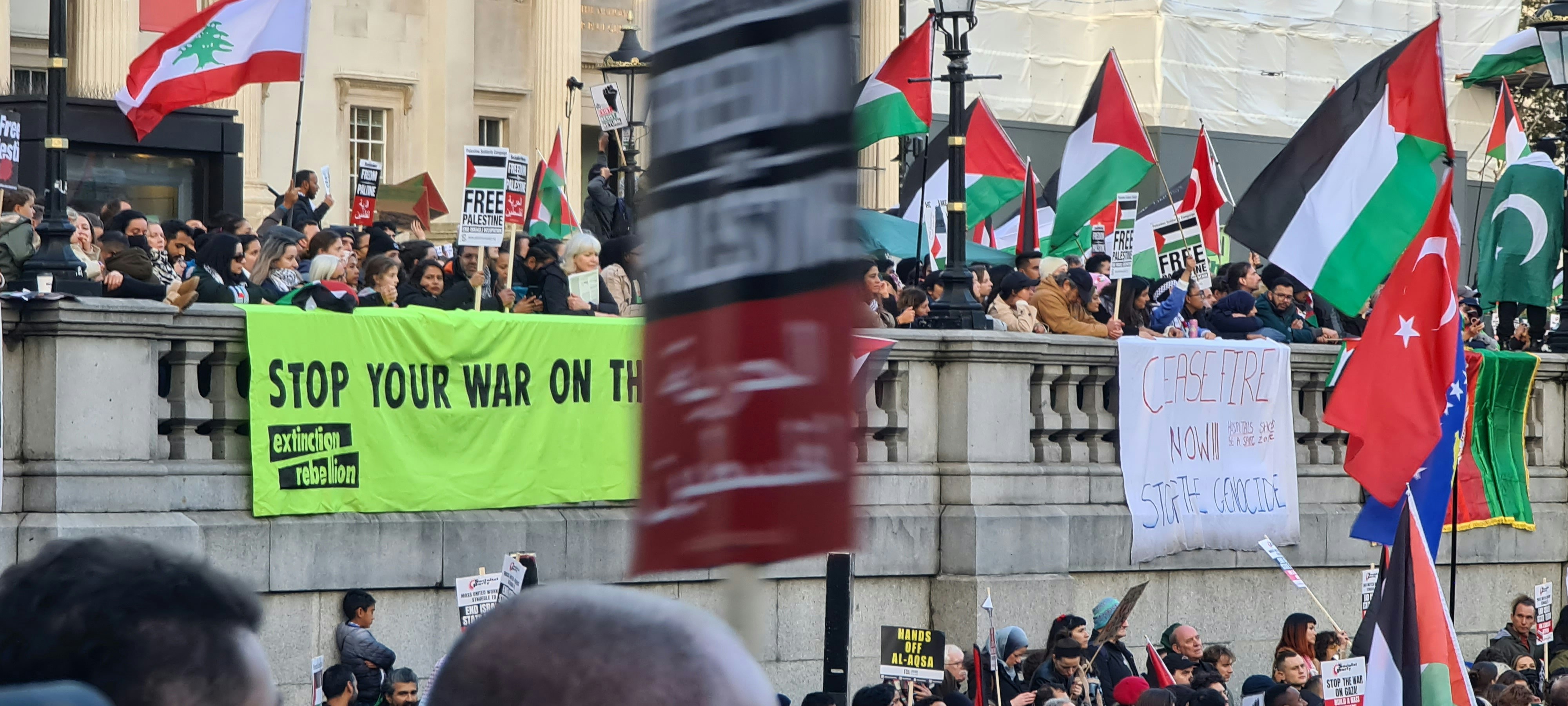
Backdrop of the Current Crises
The ongoing tensions in the Middle East are deeply rooted in a complex historical context that spans several decades. Understanding these tensions necessitates an examination of key events and factors that have shaped the region. The rise of various political groups, including the Houthis, alongside an array of past conflicts, has exacerbated the situation, leading to the present-day crises.
The emergence of Hamas in Palestine and Hezbollah in Lebanon, for instance, has been pivotal in redefining political alliances and hostilities within the region. These groups have both capitalized on local discontent and external influences to bolster their agendas. The Houthis, initially a local Yemeni movement, have gained significant traction amid Yemen’s civil war, establishing themselves as a key player in the broader tapestry of Middle East tensions. Their actions have influenced regional dynamics, often in response to perceived threats or opportunities presented by geopolitical competitors.
Moreover, the socio-economic landscape of the Middle East has contributed to the unrest. Economic disparities, lack of basic services, and unemployment fuel public discontent, providing fertile ground for radical ideologies to take root. The historical grievances related to colonialism, socio-political disenfranchisement, and religious divisions further complicate this backdrop. Several past conflicts, including the Iraq War and the Arab Spring, have left deep scars, creating a cycle of violence and retaliation that perpetuates instability.
This intricate interplay of political movements, economic hardship, and historical grievances outlines the backdrop of the current crises in the Middle East. To fully grasp the ongoing tensions, it is essential to consider how these elements intertwine, resulting in a complex conflict landscape that continues to evolve as new challenges arise.
The Role of the Houthis in Regional Dynamics
The Houthis, a movement that originated in northern Yemen, have significantly influenced the current middle east tensions. Their emergence can be traced back to the early 1990s, primarily driven by Zaydi revivalist sentiments and reactions to socio-political marginalization. This group, formally known as Ansar Allah, has grown from a local insurgency into a formidable force that plays a critical role in the broader geopolitical landscape of the region.
The motivations of the Houthis are deeply rooted in the quest for political power and representation, as well as a desire to safeguard their cultural identity against perceived external threats. The group initially sought to address local grievances but has since evolved into a major actor in Yemen’s civil war, complicating the context of middle east tensions. The Houthis have received support from Iran, which provides them not only with military assistance but also with ideological backing. This relationship has aggravated suspicions among Gulf countries, especially Saudi Arabia, which views the Houthis as a proxy of Iranian influence in the Arabian Peninsula.
The actions of the Houthis have significant implications for both local and international relations. Their military capabilities have grown, illustrated by missile strikes against Saudi Arabia and maritime operations in the Red Sea, which pose direct threats to international shipping routes. Moreover, their alliance with Iran raises concerns for other regional powers, essentially reframing the conflict in Yemen within the larger struggle for dominance between Iran and Saudi Arabia. The Houthis’ role as a catalyst for middle east tensions underscores their importance in ongoing diplomatic discussions, as their actions can either hinder or facilitate peace negotiations, thus impacting the stability of the region widely.
Major Players in the Conflict
The current tensions in the Middle East are shaped by a complex interplay of various actors, each with distinct interests and motivations. One of the key players are nation-states, particularly Iran and Saudi Arabia, which are at the forefront of the regional power struggle. Iran’s support for groups like the Houthis in Yemen exemplifies its strategy to exert influence across the region, often countering Saudi interests.
Saudi Arabia, for its part, sees the Houthis not only as a militant faction but also as an extension of Iranian influence that threatens its own security. The Saudi-led military coalition in Yemen has been instrumental in combating the Houthis, illustrating how the involvement of national states complicates the conflict and escalates regional tensions.
In addition, Israel plays a significant role in the broader context of Middle East tensions. Its concerns about Iran’s military capabilities and its partnerships with groups hostile to Israel further deepen the geopolitical complexity. The actions of both Iran and Saudi Arabia directly influence Israel’s security policies and its responses to perceived threats.
Militant organizations also play a critical part in this equation. Groups such as Hamas and Hezbollah not only reflect local grievances but also function as proxies in the larger power struggles happening between or involving regional powers. Their alliances with Iran showcase how non-state actors can significantly affect the dynamics between nation-states.
Lastly, international organizations like the United Nations work to mediate and propose resolutions to these conflicts, yet often face obstacles due to the entrenched interests of the key players. The ongoing tensions in the Middle East can be seen as a convergence of historical grievances, ethnic divisions, and geopolitical rivalries, with each actor pursuing their objectives, which in turn shapes the overall landscape of the region.
The Cycle of Violence: Why War Persists
The persistence of conflict in the Middle East can be largely attributed to a complex interplay of historical grievances, political ambitions, and economic factors. Among the catalysts of the ongoing Middle East tensions are groups such as the Houthis, whose actions have significant implications for both local and regional stability.
Cyclical violence often thrives in environments plagued by unresolved conflicts and deep-seated animosities. In many cases, previous attempts at peace have failed to address the underlying issues, thereby perpetuating distrust and hostility among different factions. The Houthis, for instance, have emerged from a milieu of discord, driven by a combination of local and international influences that contribute to a climate of sustained aggression.
Political rhetoric also plays a critical role in maintaining these cycles of violence. Leaders often resort to inflammatory language that not only stokes existing tensions but also serves to rally their base around a narrative of victimhood and existential threat. This form of discourse becomes a tool for justifying continued hostility and military action as a means of achieving political objectives. Furthermore, the conflicting interests of various regional powers complicate the situation. States with vested interests in supporting opposing sides leverage the conflict for their strategic advantage, further entrenching the cycle of violence.
Economically, the incentives for war can be substantial. The ongoing conflicts in the Middle East often result in a diversion of resources towards military expenditures rather than developmental programs. Inadequate economic opportunities can fuel recruitment into militant groups such as the Houthis, where individuals perceive armed struggle as a viable means to improve their circumstances. This creates a feedback loop that reinforces the ongoing Middle East tensions. Efforts at diplomacy frequently fall short, as they tend to focus on short-term ceasefires rather than addressing the enduring factors that incite conflict. Thus, the cycle of violence remains a formidable barrier to achieving lasting peace in the region.
Global Implications of Middle Eastern Unrest
The ongoing tensions in the Middle East, particularly involving groups such as the Houthis, have significant implications for global stability. As conflicts evolve within this geopolitically critical region, they reverberate through international economic and security structures, highlighting the interconnectedness of today’s world.
One of the primary economic impacts of Middle Eastern unrest is the fluctuation of oil prices. The region is home to some of the world’s largest oil reserves, and any disturbances can lead to market instability that affects energy supply chains globally. For instance, if Houthi activities escalate to interfere with shipping routes in the Red Sea, there is a high potential for increased costs of fuel and electricity worldwide. Such economic turmoil can adversely affect growth prospects in both developing and developed nations, illustrating how local unrest can spiral into a global issue.
Furthermore, the shifting dynamics of international alliances are increasingly influenced by the tensions prevalent in the Middle East. Nations may reassess their relationships based on their interests in regional stability or resource access. The United States and its allies often grapple with the strategic implications of supporting or opposing regimes embroiled in conflict, as seen in the support for certain factions while distancing from others like the Houthis. These changes can redefine global alliances, impacting diplomatic relations and trade agreements.
Lastly, the potential consequences for global security cannot be overstated. Increased hostilities in the Middle East, encompassing the actions of various groups, could lead to terrorism and the proliferation of extremist ideologies, creating security threats that extend far beyond the region. Countries around the world must remain vigilant as these conflicts may necessitate a collective response to ensure stability.
In conclusion, the implications of Middle Eastern tensions are widespread and complex, influencing global economics, international alliances, and security, reiterating the interconnected nature of global affairs.
Media Representation and Its Impact
The media plays a critical role in shaping the narratives surrounding the various conflicts in the Middle East, including those involving the Houthis. The portrayal of such conflicts can significantly influence public perception as well as political decisions both regionally and internationally. This impact can be seen in how different outlets report on the actions and motivations of various groups involved in the ongoing middleeast tensions.
Accurate reporting in the region poses unique challenges. Journalists often operate in highly volatile environments where access to reliable information is limited. Various media outlets may have their own biases, which can result in contrasting narratives about the same events. For instance, the framing of the Houthis as either freedom fighters or aggressors can affect how audiences understand their motives and actions. This dichotomy demonstrates the complexity of the situation and the dangers of oversimplified portrayals.
Furthermore, the advent of social media has added another layer to the discourse surrounding these conflicts. Many individuals, including those from the affected regions, use platforms to share their experiences and viewpoints, which can sometimes contradict mainstream media reporting. This highlights the importance of considering multiple sources of information when examining the middleeast tensions. However, the rapid spread of misinformation can further complicate the public’s understanding and create polarized views.
Media narratives can also influence policy-making by shaping the perceptions of lawmakers and stakeholders involved in the region. Policymakers often rely on news coverage to inform their decisions, which means that biased or incomplete reporting can have far-reaching implications. As such, ensuring accuracy and balance in media representation is essential, not only for the sake of informing the public but also for promoting a well-rounded understanding of the Middle East’s complex dynamics.
Humanitarian Crisis in the Region
The Middle East has been embroiled in conflict for decades, leading to significant humanitarian crises that deeply affect the civilian population. The ongoing violence, particularly involving groups such as the Houthis, has created dire situations for millions of people. Refugee crises have escalated as individuals and families flee war-torn areas, seeking safety and basic necessities. The sheer number of displaced persons is staggering, with millions straining resources in neighboring countries and beyond.
Humanitarian needs are vast and multifaceted. Access to food, clean water, and healthcare remains limited in many conflict zones. International organizations often face challenges in delivering aid due to ongoing hostilities and bureaucratic restrictions. This crisis is further exacerbated by the political dynamics surrounding Middle East tensions, which can overshadow the immediate needs of those suffering from the effects of war.
The repercussions of these humanitarian challenges do not solely affect those directly involved in the conflicts. Neighboring states and international communities also feel the pressure, as the influx of refugees can lead to strained resources and heightened tensions in host countries. Additionally, the lack of stability in the region perpetuates a cycle of poverty and despair, making recovery even more difficult.
Addressing the humanitarian issues arising from the Middle East tensions is essential for any meaningful political resolution. While political maneuvering is necessary for achieving peace, it is equally important to prioritize the human toll of ongoing conflicts. Failure to acknowledge and respond to the humanitarian crisis can hinder progress toward lasting solutions and perpetuate violence and instability in the region.
Peace Efforts and Diplomatic Solutions
The ongoing conflicts in the Middle East, particularly involving factions like the Houthis, have sparked a significant interest in peace efforts designed to stabilize the region. Various diplomatic initiatives have been launched in an attempt to curb the escalating middleeast tensions, aiming also to address the underlying causes of discord that fuel these conflicts.
International mediators, including prominent global powers and regional stakeholders, have been engaging in dialogue with conflicting parties to foster a more sustainable peace. These efforts often involve high-stakes negotiations, where both sides must be willing to compromise to reach a level of understanding. The involvement of non-governmental organizations (NGOs) has been pivotal, as they bring humanitarian insights and expertise that can aid in the peace process. Such NGOs have not only advocated for ceasefires but have also provided support in rebuilding communities affected by conflict.
Moreover, peace talks have seen varying degrees of success, with some initiatives gaining traction while others have faltered. The complexity of middleeast tensions means that addressing root issues, such as political disenfranchisement and economic instability, is crucial for any long-term resolution. Recent examples include the efforts brokered by the United Nations, which have sought to create platforms for inclusive negotiations involving not just warring factions but also civil society groups.
Through these diplomatic channels, there have been attempts to establish frameworks for partnership and cooperation. However, effectively implementing these agreements can prove difficult. The role of the Houthis in the broader context of these peace efforts reflects their significance in shaping the political landscape of the region. Activating dialogue while addressing the concerns of all parties involved remains essential to overcoming the persistent middleeast tensions.
Future Outlook: What Lies Ahead for the Middle East
The future of the Middle East remains uncertain, with ongoing tensions primarily influenced by various regional and global powers. Currently, the conflict involving the Houthis in Yemen signifies a microcosm of broader geopolitical struggles throughout the region. The intertwining of local dynamics with international interests raises questions about how these conflicts will evolve.
Several potential scenarios could unfold in the coming years. One possibility is an escalation of confrontations caused by external interventions. For instance, should global powers intensify their commitment to countries directly involved in Middle East tensions, the conflict might spread, further destabilizing the region. The involvement of nations such as Iran, as a backer of the Houthis, may provoke reactions from the United States and its allies, potentially leading to increased military engagement.
Alternatively, a shift toward diplomatic resolutions could reframe the future landscape. If major stakeholders recognize the futility of military solutions, a concerted push for peace negotiations might take shape. This would necessitate a coordinated effort among regional powers to address not only the immediate issues but the underlying grievances that fuel the hostilities. Efforts to mediate the humanitarian crises instigated by the conflicts in Yemen and beyond could also factor into future diplomatic strategies.
Furthermore, internal changes within affected countries could dramatically alter their trajectory. If governments are willing to adopt reforms addressing political inclusivity and economic stability, the foundations for reducing middle east tensions may be laid. Local populations, tired of prolonged conflict, might rally around such initiatives, enhancing public support for peace processes.
The involvement of major global players will be pivotal. Their strategies will directly influence whether the situation devolves into wider chaos or progresses toward resolution. In conclusion, the course of the Middle East will depend on a delicate interplay of local aspirations and international diplomacy, with the Houthis and other factions at the forefront of this complex landscape.